
Modified bitumen roofing represents a significant advancement in flat roof technology, combining the proven durability of traditional bitumen with modern polymer enhancements. This comprehensive guide explores modified bitumen systems, their installation methods, and how they perform in Albany's demanding weather conditions. Whether you're considering this material for a commercial building or industrial application near you, understanding the options will help you make an informed decision.
Mastaba Roofing has installed and maintained thousands of modified bitumen roofs throughout Albany and the Capital Region. Our 15+ Years of experience with this material has taught us that success depends on proper installation, material selection, and ongoing maintenance. This guide shares our professional knowledge to help property owners understand this valuable roofing option.
Key takeaways
- What is Modified Bitumen Roofing?: Modified bitumen is an asphalt-based roofing membrane enhanced with polymer modifiers, typically either styrene-butadiene-styrene (SBS) or atactic polypropylene (APP).
- SBS vs APP Modified Bitumen: Key Differences: Understanding the distinction between SBS and APP modifiers is crucial for selecting the right modified bitumen system.
- Installation Methods: Torch-Applied vs Self-Adhering: Modified bitumen membranes are installed using one of two primary methods: torch-applied or self-adhering.
- Modified Bitumen Cost and Value: Modified bitumen roofing typically costs $3 to $8 per square foot installed, with variations based on local labor rates, material quality, and installation complexity.
- Advantages and Disadvantages of Modified Bitumen: Modified bitumen roofing offers numerous advantages that make it popular for commercial and industrial applications.
- Modified Bitumen vs EPDM vs TPO: Comparison: Comparing modified bitumen with other single-ply membrane options helps clarify the advantages of each material.
01What is Modified Bitumen Roofing?
Modified bitumen is an asphalt-based roofing membrane enhanced with polymer modifiers, typically either styrene-butadiene-styrene (SBS) or atactic polypropylene (APP). These polymers make the bitumen more flexible in cold temperatures and more resistant to cracking and weathering. The result is a material that combines the waterproofing reliability of traditional bitumen with the flexibility and durability of modern plastics, creating an ideal solution for flat roof applications.
Modified bitumen comes in sheet form, typically 36 inches wide and available in single-ply or multi-ply configurations. Most commercial installations use two-ply or three-ply systems for enhanced protection. The membrane includes mineral surfacing or granules that provide UV protection and aesthetic appeal. Property owners appreciate modified bitumen for its proven track record, relatively affordable cost, and reliable performance in diverse climates including Albany's freeze-thaw cycles.
02SBS vs APP Modified Bitumen: Key Differences
Understanding the distinction between SBS and APP modifiers is crucial for selecting the right modified bitumen system. SBS (styrene-butadiene-styrene) polymers create a rubberized membrane that remains flexible even in cold temperatures, making it ideal for regions experiencing significant temperature swings like Albany. SBS-modified bitumen offers superior flexibility and resists cracking during freeze-thaw cycles. APP (atactic polypropylene) creates a stiffer membrane with excellent resistance to oxidation and UV degradation, performing exceptionally well in hot climates and areas with intense solar exposure.
For Albany properties, SBS-modified bitumen is generally the preferred choice due to our climate's severe winter temperatures and freeze-thaw conditions. The rubber-like quality of SBS allows the membrane to expand and contract without cracking, a critical advantage when temperatures fluctuate from 90°F to 20°F across seasons. However, APP-modified bitumen offers certain advantages for roofs with exceptional exposure to direct sunlight. Mastaba Roofing assesses each project individually to recommend the most suitable modifier type based on building orientation, shading, and specific weather exposure.
03Installation Methods: Torch-Applied vs Self-Adhering
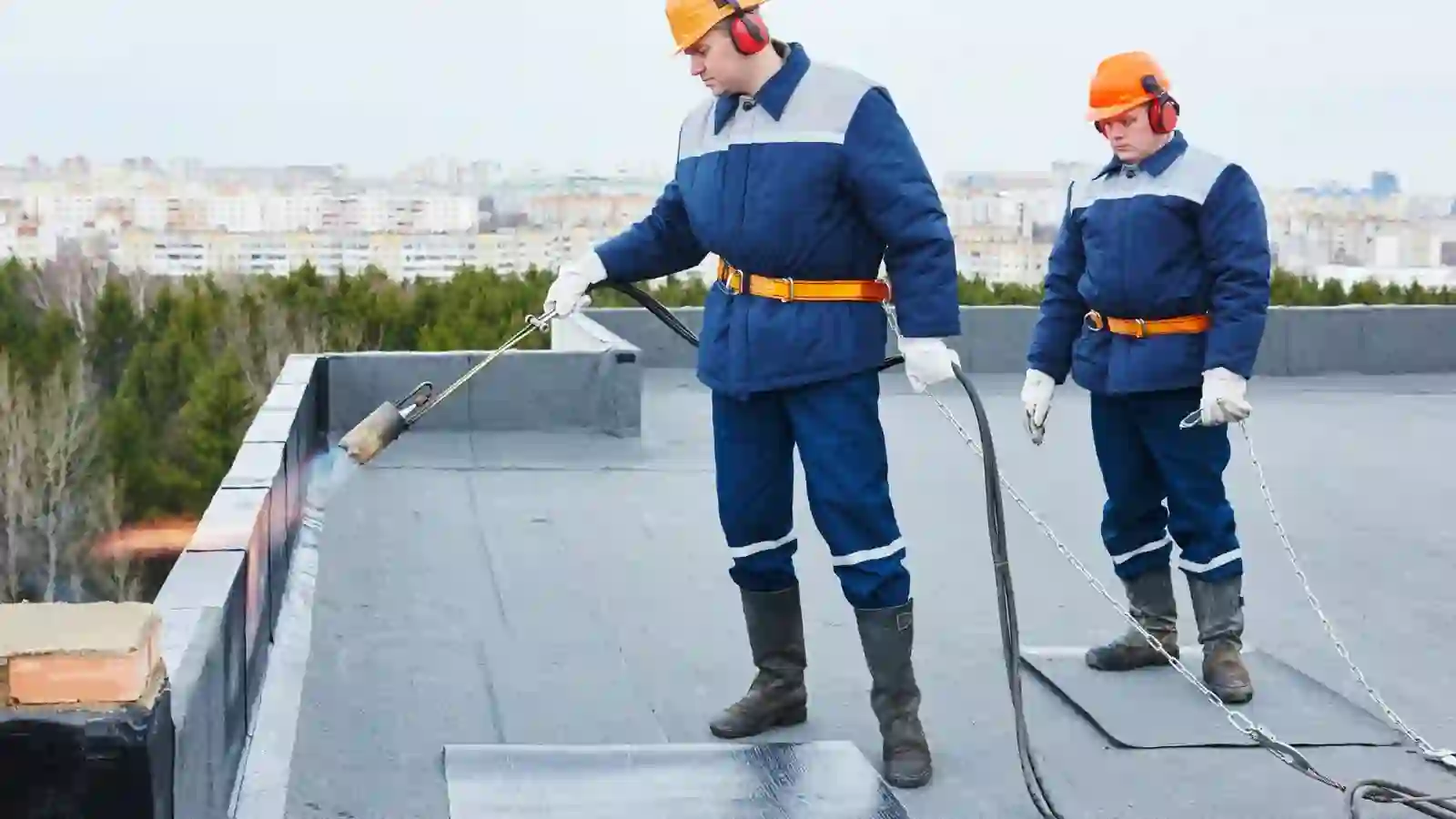
Modified bitumen membranes are installed using one of two primary methods: torch-applied or self-adhering. Torch-applied installation involves heating the back of the membrane with a propane torch to melt the bitumen, creating a strong bond with the substrate below. This method is time-tested and delivers exceptional reliability when performed by trained professionals. The torch application creates multiple seams where layers overlap, and these seams must be properly heated to ensure complete adhesion and waterproofing integrity throughout the roof's life.
Self-adhering modified bitumen membranes feature a pre-applied adhesive layer protected by a release sheet. Installers simply roll out the membrane and press it into place, eliminating the need for open flames. This method offers faster installation and improved safety, though it requires careful attention to ensure complete adhesion without wrinkles or bubbles. Many contractors in Albany prefer torch-applied installation for long-term reliability, particularly on larger commercial properties where every detail impacts years of protection. Mastaba Roofing uses both methods depending on project requirements, substrate conditions, and client preferences.
Get a free, no-pressure estimate from a fully insured local crew.
04Modified Bitumen Cost and Value
Modified bitumen roofing typically costs $3 to $8 per square foot installed, with variations based on local labor rates, material quality, and installation complexity. A typical 5,000 square foot commercial roof in Albany ranges from $15,000 to $40,000, depending on specifications. Single-ply systems cost less upfront but offer less insurance benefit than multi-ply installations. Three-ply systems cost more but provide superior protection and often qualify for manufacturer warranties extending 15-20 years, significantly improving long-term value.
When evaluating cost, consider that modified bitumen offers excellent durability and minimal maintenance requirements compared to other flat roof materials. Unlike EPDM rubber that requires protective coverings in high-traffic areas, modified bitumen resists surface damage and foot traffic damage. The material's proven track record means insurance companies often offer favorable rates on properties with modified bitumen roofs. Fully Insured properties with well-maintained modified bitumen systems typically experience fewer weather-related claims and lower insurance premiums over the roof's lifetime.
05Advantages and Disadvantages of Modified Bitumen
Modified bitumen roofing offers numerous advantages that make it popular for commercial and industrial applications. The material provides excellent waterproofing performance, with multiple plies offering redundancy if one layer is compromised. UV resistance, particularly with APP-modified systems, protects the roof from solar degradation. The membrane's flexibility (especially SBS) accommodates building movement and thermal expansion without cracking. Installation professionals appreciate the material's forgiving nature, small mistakes during installation can be corrected more easily than with single-ply membranes.
Disadvantages include seam vulnerability if not properly torched during installation, making contractor quality critical. The membrane can blister under certain moisture conditions if substrate preparation is inadequate. Some property owners object to the strong odor during torch-applied installation. Torch-applied systems require special safety precautions and licensing in some jurisdictions. Modified bitumen typically costs more than EPDM on initial installation, though the superior durability often justifies the investment for commercial properties with 15+ Year ownership horizons.
- Modified bitumen combines proven bitumen waterproofing with polymer flexibility
- SBS modification better suits Albany's freeze-thaw climate; APP suits hot climates
- Torch-applied and self-adhering methods each offer distinct advantages
06Modified Bitumen vs EPDM vs TPO: Comparison
Comparing modified bitumen with other single-ply membrane options helps clarify the advantages of each material. EPDM (ethylene propylene diene terpolymer) rubber roofing is the least expensive option at $2-5 per square foot but requires protective coverings to resist puncture and UV degradation, adding maintenance costs. EPDM performs well in cold climates but can degrade in areas with intense heat and direct sunlight. TPO (thermoplastic polyolefin) membranes cost $3-6 per square foot and offer heat-welded seams that some prefer, but long-term durability is less proven than modified bitumen.
Modified bitumen stands between these options, offering superior durability and proven performance alongside moderate pricing. Unlike EPDM, modified bitumen requires no protective covering, eliminating maintenance complications. Unlike TPO, modified bitumen has a decades-long track record demonstrating exceptional weathering and durability. For Albany properties where 20-30 year roof life is expected, modified bitumen often provides the best overall value, balancing upfront cost with long-term reliability. Mastaba Roofing helps clients compare these materials based on their specific building use, budget, and long-term ownership plans.
07Modified Bitumen Performance in Albany Weather
Albany's climate presents unique challenges for roofing materials, with winter temperatures dropping below 0°F and freeze-thaw cycles occurring dozens of times throughout the season. SBS-modified bitumen excels in these conditions thanks to its rubber-like flexibility that accommodates thermal expansion and contraction without cracking. The membrane's multi-ply construction provides exceptional protection against ice dam formation and wind damage, two significant threats to Albany roofs. Heavy snow loads common to the Capital Region don't compromise modified bitumen's integrity, and the material's proven durability through countless Albany winters makes it an excellent long-term choice.
Summer UV exposure and occasional hail events are less threatening to modified bitumen than to organic materials. The mineral surfacing protects the bitumen layer from UV degradation, extending the roof's life well into the second decade. Summer temperatures in Albany rarely exceed 90°F, so the material's heat resistance isn't tested as severely as in southern regions. Property owners can expect modified bitumen roofs installed by Mastaba Roofing near you to provide reliable protection through 15-20+ years of Albany weather, with proper maintenance ensuring maximum longevity and protection of the building investment.
Ready to install or upgrade to modified bitumen roofing?
Mastaba Roofing serves Albany and the Capital Region from 4 local offices. $0 down financing up to 140 months.
08Frequently asked questions
What is the typical lifespan of modified bitumen roofing?
Modified bitumen roofing typically lasts 15-20 years with proper maintenance. Regular inspections and professional maintenance by Mastaba Roofing extend longevity. Albany weather conditions, including snow and temperature fluctuations, can impact lifespan.
Is modified bitumen roofing more expensive than TPO or EPDM?
Modified bitumen costs typically range $3-8 per square foot. While similar to TPO pricing, EPDM is often cheaper upfront. However, durability, weather resistance, and lower maintenance needs make modified bitumen cost-effective long-term.
Can I install modified bitumen roofing myself?
Torch-applied installation requires professional expertise and special safety equipment. Self-adhering membranes are simpler but still benefit from professional installation. Mastaba Roofing ensures proper sealing and warranty compliance for all installations.
Written by the Mastaba Roofing team. Fully insured roofing and siding contractor with 15+ years and 300+ projects across Albany and the Capital Region. About our team.