
The choice between flat and pitched roofing fundamentally affects your building's structure, durability, cost, and maintenance. Most residential homes in Albany feature pitched roofs, traditional gabled or hip designs that have protected homes for centuries. Commercial properties and modern homes often use flat roofs for their interior space efficiency and contemporary aesthetics. Mastaba Roofing installs both types for 15+ years across residential and commercial projects in the Capital Region. Understanding which roof type works best for your specific application helps make informed decisions about new construction or major renovations near you.
This guide compares structural differences, cost implications, weather performance, maintenance requirements, and best applications for each roof type. Understanding these factors helps determine which system aligns with your building goals and long-term vision.
Key takeaways
- Pitched roofs shed water/snow naturally; flat roofs require drainage engineering and active maintenance
- Pitched roofs cost similar upfront but higher replacement frequency; flat roofs longer-lived but less common
- Pitched roofs lower-maintenance for residential; flat roofs demand specialized expertise
- Albany's snow load favors pitched roofs' passive drainage; flat roofs work when properly engineered
- Residential pitched roofs use 15-20 years (asphalt) or 50+ years (premium materials)
- Commercial flat roofs provide mechanical access and maximize interior space efficiently
01Structural Design Differences
Pitched roofs feature sloped surfaces angled typically 4:12 to 12:12 (rise to run ratios). Structural loads transfer down rafters to walls and foundations. Angled surfaces naturally shed water and snow. Pitched roofs create attic space (often wasted space) between insulation and roofing material. Steep pitches increase usable attic volume and improve drainage. Moderate or low pitches (4:12 to 6:12) are common for Albany residential homes, steeper than 8:12 becomes less practical.
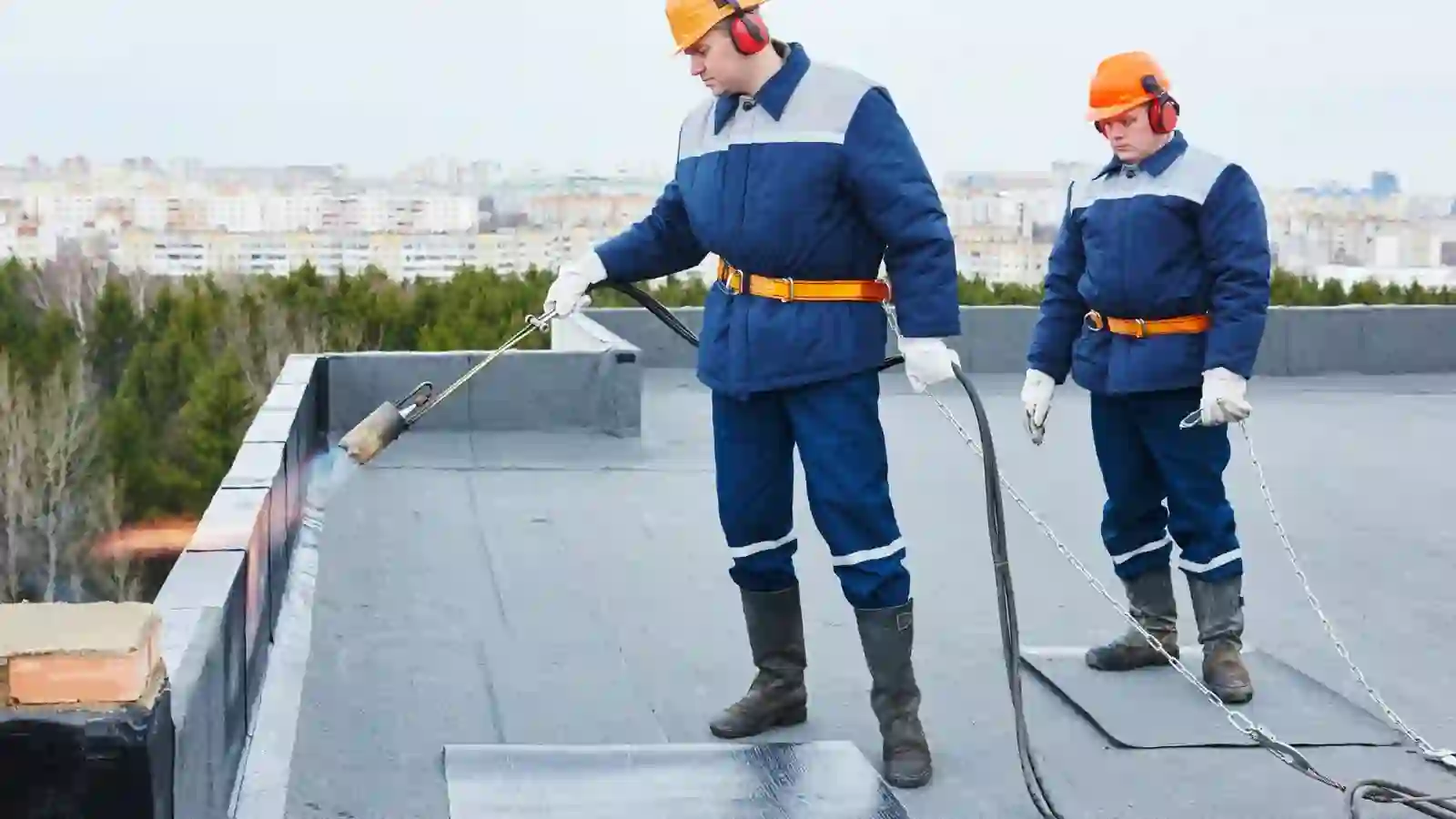
Flat roofs feature horizontal (or nearly horizontal) surfaces with minimal pitch (1:12 typically). Structures are engineered for standing water management, drains prevent ponding. Flat roofs provide exterior access for HVAC equipment, mechanical systems, and future additions. No wasted attic space means interiors extend to roof edges maximizing square footage. Structural systems are simpler than pitched designs but require robust drainage engineering. Both designs are structurally sound when properly engineered for local climate and snow loads.
02Water Drainage and Snow Load Handling
Pitched roofs drain water and shed snow naturally due to gravity and angled surfaces. Snow slides off during thawing periods, reducing structural load. Drainage systems (gutters and downspouts) handle runoff efficiently. Albany's 55 inches annual snowfall drains quickly from pitched roofs. Wind sometimes blows precipitation onto surfaces but gravity removes water. Properly pitched roofs rarely experience ponding or standing water problems, the main failure mechanism for flat roofs.
Flat roofs require active drainage engineering, multiple drains, interior and exterior downspouts, and constant monitoring. Ponding (water accumulation) is the primary problem, even small structural deviations cause water pooling. Albany's 30-50 psf design snow loads stress flat roof structures significantly. Heavy spring snowmelt can overload drains creating dangerous ponding situations. For harsh climates like Albany, pitched roofs' passive drainage provides inherent advantage. However, modern flat roof designs with robust drain systems work reliably when properly maintained.
03Maintenance Requirements and Costs
Pitched roofs require gutter and downspout cleaning (biannual for Albany with heavy leaves), flashing maintenance around vents and chimneys, and shingle/membrane inspections after severe weather. Annual maintenance costs typically $200-$500. Repairs are straightforward, individual shingles or small sections are replaced. Pitched roofs' simplicity means most contractors can perform repairs competently. Lifespan for residential asphalt pitched roofs is 15-20 years; metal and premium materials last 50+ years.
Flat roofs demand more intensive maintenance, drain cleaning, ponding inspections, membrane blistering checks, and seam integrity assessment (biannual minimum). Annual maintenance costs $400-$800. Specialized contractors are often needed, typical handymen lack flat roof expertise. Flat roof lifespans are 20-30 years (TPO/EPDM) versus 15-20 for asphalt pitched. Commercial buildings budget for more frequent maintenance due to flat roof complexity. Overall, pitched roofs are lower-maintenance for residential applications.
Get a free, no-pressure estimate from a fully insured local crew.
04Cost Analysis and Long-Term Value
Pitched asphalt roof installation costs $4,000-$8,000 for 2,000 sq ft homes. Metal pitched roofing runs $8,000-$15,000. Flat TPO or EPDM roofing costs $3,000-$7,000. Pitched roofs cost similar to flat for basic materials but replacement frequency matters, asphalt pitched roofs require replacement every 15-20 years (replacing 3-4 times over 50 years) versus 20-30 years for flat (replacing 2-3 times). Long-term, lifecycle costs are comparable between pitched asphalt and flat TPO when accounting for replacement frequency.
Premium pitched roofing (metal, slate, tile) provides exceptional value over 50+ year lifespans. Upfront costs are higher but replacement frequency drops dramatically. Flat roofing's practical lifespan of 20-30 years means more frequent replacement. For existing homes choosing replacement type, material selection and quality matter more than basic pitch choice. Mastaba Roofing helps analyze specific situations and recommend solutions maximizing long-term value for your property near you in Albany.
05Best Applications for Each Roof Type
Pitched roofs are ideal for residential homes where traditional aesthetics matter and interior attic space is acceptable. Agricultural and commercial buildings sometimes use pitched designs for large-scale warehouse spaces. Pitched roofs excel in harsh snow climates where active drainage management is undesirable. Traditional or historic architecture demands pitched roofing, flat roofs appear incongruous on period homes.
Flat roofs are optimized for commercial properties where roof-top HVAC installation and mechanical access are important. Modern residential designs featuring clean lines often use flat roofs. Contemporary architecture frequently incorporates flat roofing as design statement. For buildings requiring maximum interior square footage without wasted attic space, flat roofs provide superior efficiency. Each type serves specific building types and architectural styles well when properly engineered.
Mastaba Roofing serves Albany and the Capital Region from 4 local offices. $0 down financing up to 140 months.
06Flat vs Pitched FAQ
Which type of roof costs less, flat or pitched?
Pitched roofs typically cost less initially than flat roofs, simpler drainage systems and materials are cheaper. However, flat roofs last longer (20-30 years vs 15-20 years for asphalt pitched), making lifetime costs comparable. Slate or tile pitched roofs cost significantly more than flat TPO. Material choice matters more than pitch type for overall cost. Compare total lifecycle costs rather than upfront alone.
How does Albany snow load affect flat vs pitched roofs?
Pitched roofs shed snow naturally due to angle and gravity, snow slides off rather than accumulating. Flat roofs require snow removal during heavy falls, 55+ inches annually in Albany means significant snow load stress. Flat roof structures must be engineered for 30-50+ psf snow loads. Pitched roofs shed automatically, reducing structural stress. For Albany climate, pitched roofs handle snow better without active removal.
Which roof style requires more maintenance?
Flat roofs require more frequent maintenance, biannual inspections, drain cleaning, ponding water checks. Pitched roofs need gutter cleaning, flashing maintenance, but fewer structural concerns. Flat roof membranes require regular inspection for blistering and seam failure. Pitched roofs with good drainage require less active management. Overall, pitched roofs are lower-maintenance for homeowners.
Written by the Mastaba Roofing team. Fully insured roofing and siding contractor with 15+ years and 300+ projects across Albany and the Capital Region. About our team.