
Torch-applied roofing, also called torch-down or roll roofing, represents a traditional installation method for modified bitumen membranes using open flame equipment to heat and adhere roofing material. The process involves propane torches heating the back of roofing sheets until the bitumen melts, creating a bond with the substrate below. While torch-applied roofing has proven durability when properly installed, it involves inherent fire safety risks that have made safer alternatives increasingly popular. Understanding torch-applied roofing characteristics, comparing it with modern alternatives, and ensuring professional installation with proper safety protocols remains important for building owners making roofing decisions. Mastaba Roofing brings 15+ Years of experience with torch-applied and modern roofing systems for Albany properties.
This comprehensive guide explores how torch-applied roofing works, discusses advantages and disadvantages, explains safety concerns and requirements, compares it with modern alternatives, and provides guidance on selecting appropriate roofing systems. Whether you're evaluating torch-applied options for existing properties or considering upgrades to safer alternatives, this information will help you make informed decisions about your roofing investment near you in Albany.
Key takeaways
- What is Torch Down Roofing and Installation Process: Torch-applied roofing involves modified bitumen membranes delivered in rolls and adhered to the substrate using propane torch heat.
- Torch-Applied Roofing Advantages and Benefits: Torch-applied modified bitumen roofing offers several advantages explaining its historical popularity.
- Safety Concerns and Fire Risk During Installation: The primary disadvantage of torch-applied roofing is inherent fire risk during installation.
- Self-Adhering Modified Bitumen as Safer Alternative: Self-adhering modified bitumen membranes represent a direct successor to torch-applied systems, offering similar performance without open flame fire risks.
- Single-Ply Alternatives: TPO and PVC Systems: Modern single-ply membrane systems offer significant alternatives to torch-applied roofing.
- Torch Down Roofing vs Modern Alternatives: Decision Framework: Selecting between torch-applied, self-adhering, and single-ply systems depends on multiple factors.
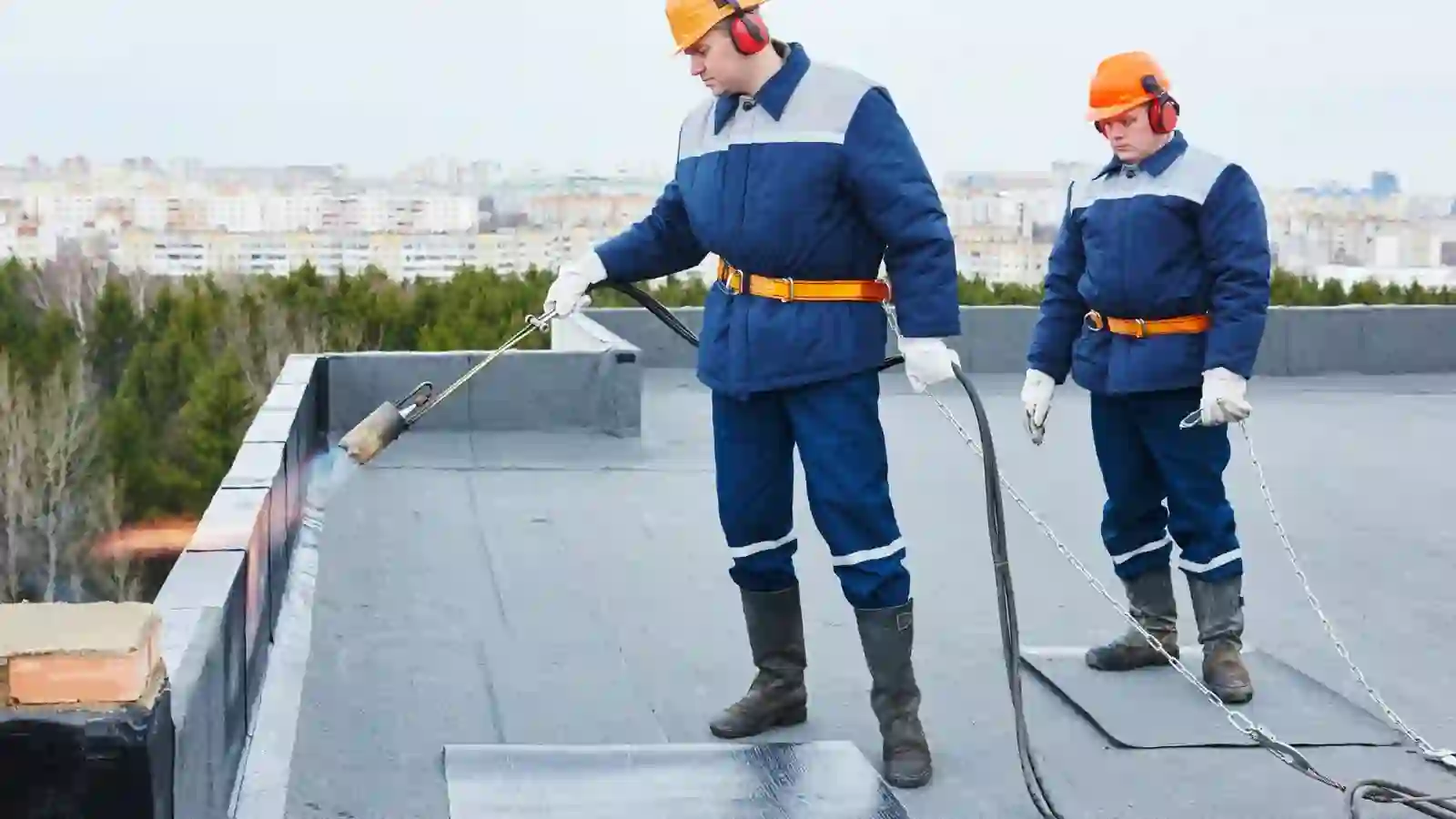
01What is Torch Down Roofing and Installation Process
Torch-applied roofing involves modified bitumen membranes delivered in rolls and adhered to the substrate using propane torch heat. Installers unroll the membrane over the substrate, then heat the back surface with propane torches until the bitumen melts and bonds to the surface below. Multiple layers (typically 2-3 plies) create redundancy, if the outer layer is penetrated, inner layers provide additional protection. Seams between overlapping sheets are heated to create strong, watertight bonds. The process requires careful technique: too little heat fails to create adhesion; too much heat damages the membrane. Professional installers with years of experience understand proper heat application and technique.
Installation typically proceeds in stages: substrate preparation and cleaning; application of primer in some cases; unrolling first membrane ply; torch-heating to establish adhesion; application of subsequent plies with proper overlap; final inspection and adjustment of any problem areas. Installation speed depends on experience, well-trained crews complete 10,000+ square feet daily. Weather affects installation: high winds blow propane flames off-target; rain and freezing temperatures prevent proper adhesion. Most torch-down installations require dry, calm conditions to succeed properly.
02Torch-Applied Roofing Advantages and Benefits
Torch-applied modified bitumen roofing offers several advantages explaining its historical popularity. The method creates reliable, watertight seams through heat-melting rather than relying on aging-prone adhesive tapes. Multiple ply redundancy means some damage can be tolerated without system failure. Installation is relatively fast with experienced crews, reducing project duration. Material costs are moderate, $3-8 per square foot. Long track record of successful installations over decades provides confidence in performance. The system performs well in Albany's climate, withstanding freeze-thaw cycles and heavy precipitation when properly installed.
For facilities with existing torch-applied systems performing well, continuing this system during roof replacement is reasonable. The method remains viable when professional installation standards are maintained. Many flat roof replacements use torch-applied systems successfully, particularly when the substrate is sound and professional installation is ensured.
03Safety Concerns and Fire Risk During Installation
The primary disadvantage of torch-applied roofing is inherent fire risk during installation. Open propane flames on roofs create potential for fires if equipment malfunctions, technique is improper, or surrounding conditions are unfavorable. Propane spills can create explosive situations. Nearby combustible materials can ignite if flame isn't properly controlled. Insurance requirements typically mandate qualified, bonded, and insured professional installation, DIY installation violates insurance policies and building codes. Building owners must verify contractor licensing and insurance before permitting torch-applied installation.
Professional safety protocols significantly minimize risk: trained operators understand equipment and safety procedures; fire extinguishers and water sources are maintained on-site; wind conditions are monitored to prevent flame deflection; no smoking or open flames are permitted; occupants are sometimes evacuated during installation. Despite safety protocols, the fundamental fire risk during torch-applied installation motivates many property owners to select safer alternatives when making roofing decisions. Insurance companies often prefer non-flame methods when alternatives exist.
- Torch-applied roofing uses propane torches to heat and adhere modified bitumen membranes
- Reliable seams and proven performance make it viable when properly installed
- Fire safety during installation is primary concern; professional installation with licenses essential
Get a free, no-pressure estimate from a fully insured local crew.
04Self-Adhering Modified Bitumen as Safer Alternative
Self-adhering modified bitumen membranes represent a direct successor to torch-applied systems, offering similar performance without open flame fire risks. These membranes have pre-applied adhesive layers protected by release sheets. Installers simply unroll membranes and press them into place, creating strong adhesive bonds without torches. The method is safer, no fire risk, no propane equipment required. Installation proceeds similarly to torch-applied except for the adhesive rather than heat application. The result is comparable durability and waterproofing performance to torch-applied systems but without inherent fire hazards.
Self-adhering systems work well in most conditions, though they can be challenging in very cold weather when adhesive strength is reduced. Installation is faster than torch-applied since no heating equipment is necessary. Materials cost slightly more than torch-applied but safety advantages and faster installation often offset material premiums. Many commercial properties have switched to self-adhering systems, finding comparable performance with superior safety. For properties where torch-applied systems were traditional, upgrading to self-adhering modified bitumen provides modern safety benefits while maintaining compatibility with existing substrate preparation and installation experience.
05Single-Ply Alternatives: TPO and PVC Systems
Modern single-ply membrane systems offer significant alternatives to torch-applied roofing. TPO (thermoplastic polyolefin) and PVC (polyvinyl chloride) systems use heat-welded seams without torch equipment. Seams are created by bringing overlapping membrane edges together and heat-welding them using specialized equipment. The result is strong, reliable seams. These systems eliminate torch-applied risks entirely while providing excellent durability and performance. Single-ply systems offer better energy efficiency through reflective surfaces and superior UV resistance in many cases. Installation labor is comparable to torch-applied systems when equipment and training are available.
Single-ply systems cost $3-8+ per square foot depending on material (TPO less expensive, PVC more expensive). They offer 20-30 year lifespan comparable to torch-applied systems. PVC offers superior chemical resistance important for industrial applications. TPO represents cost-effective alternative balancing performance and budget. Both systems have become mainstream choices for flat roofing, with torch-applied systems increasingly reserved for applications requiring specific substrate compatibility or specialized requirements.
06Torch Down Roofing vs Modern Alternatives: Decision Framework
Selecting between torch-applied, self-adhering, and single-ply systems depends on multiple factors. If replacing an existing torch-applied roof performing well, continuing with torch-applied or switching to self-adhering makes sense. If replacing aged systems or new construction, modern single-ply alternatives offer advantages. Safety requirements may mandate non-flame methods if local authorities restrict torch-applied installation. Budget considerations may favor torch-applied or TPO over premium PVC. Chemical exposure requires PVC superior resistance. Energy efficiency priorities favor reflective TPO or PVC over bitumen. Property owner risk tolerance affects torch-applied acceptance.
Mastaba Roofing evaluates all factors and recommends systems optimizing performance, cost, safety, and long-term durability for your specific property. We're experienced with all modern roofing systems and provide professional guidance ensuring appropriate selection for your requirements and conditions near you in Albany.
07Costs and Practical Considerations
Torch-applied roofing costs $3-8 per square foot installed, with typical 5,000 square foot roofs ranging $15,000-$40,000. Costs include materials, labor, equipment, and contractor overhead. Complex roofs with numerous penetrations and details cost more than simple designs. Removing old roofing adds $1-3 per square foot depending on removal complexity. Deck repairs discovered during removal add additional costs. Installation typically takes 2-5 days depending on roof size and complexity. Most properties remain operational during installation, though tenants may experience noise and odors.
Total cost of ownership includes maintenance, energy efficiency, and longevity. Torch-applied and self-adhering systems last 15-25 years with maintenance. Single-ply systems often reach 25-30 years. Energy efficiency of reflective single-ply systems often justifies premium pricing through reduced cooling costs. Life-cycle cost analysis often favors more expensive systems when all factors are considered across the system's lifetime.
Need roofing system recommendations for your property?
Mastaba Roofing serves Albany and the Capital Region from 4 local offices. $0 down financing up to 140 months.
08Frequently asked questions
Is torch down roofing installation dangerous?
Torch-applied roofing involves open flame equipment, creating fire risk during installation. Trained, qualified installers follow strict safety protocols minimizing risks. Equipment, fuel handling, and fire prevention are carefully managed. Insurance requirements often mandate qualified professional installation. DIY installation is extremely dangerous and violates most building codes and insurance policies.
How much does torch down roofing cost to install?
Torch-applied modified bitumen roofing costs $3-8 per square foot installed in Albany. Typical 5,000 sq ft commercial roof costs $15,000-$40,000 depending on complexity. Labor is higher than adhesive-applied systems due to equipment requirements and safety protocols. Multi-ply systems cost more than single-ply. Professional installation by Mastaba Roofing ensures quality and warranty protection.
What are alternatives to torch down roofing?
Self-adhering modified bitumen eliminates open flame safety concerns while providing similar performance. TPO and PVC single-ply membranes use heat-welded seams without torch equipment. EPDM rubber offers cost-effective alternative. Each alternative offers distinct advantages; selection depends on specific building needs and chemical exposure. Mastaba Roofing recommends options for your specific application.
Written by the Mastaba Roofing team. Fully insured roofing and siding contractor with 15+ years and 300+ projects across Albany and the Capital Region. About our team.