
Rolled roofing offers affordable weatherproofing for structures that don't require steep-slope shingles. Sheds, detached garages, carports, and flat-roof additions across Albany benefit from rolled roofing's simplicity and economy. Unlike premium shingle products, rolled asphalt roofing provides basic protection at minimal cost, making it ideal for budget-conscious property owners.
Mastaba Roofing has installed rolled roofing across Capital Region properties for 15+ years. We're fully insured and understand rolled roofing applications, installation techniques, and maintenance requirements. This guide explains rolled roofing materials, costs, applications, and helps determine if this solution suits your Albany structure near you.
Key takeaways
- Rolled roofing costs $1.50-3 per square foot, significantly cheaper than asphalt shingles at $4-6
- Lifespan of 5-10 years is shorter than shingles, requiring more frequent replacement over time
- Best applications include sheds, garages, carports, and flat-roof structures, not primary residences
- Installation is simple and straightforward, proper seam sealing and fastening are critical to prevent leaks
- Rolled roofing doesn't provide curb appeal but prioritizes functionality and economy for secondary structures
- Albany freeze-thaw cycles stress seams, professional installation and maintenance extend lifespan
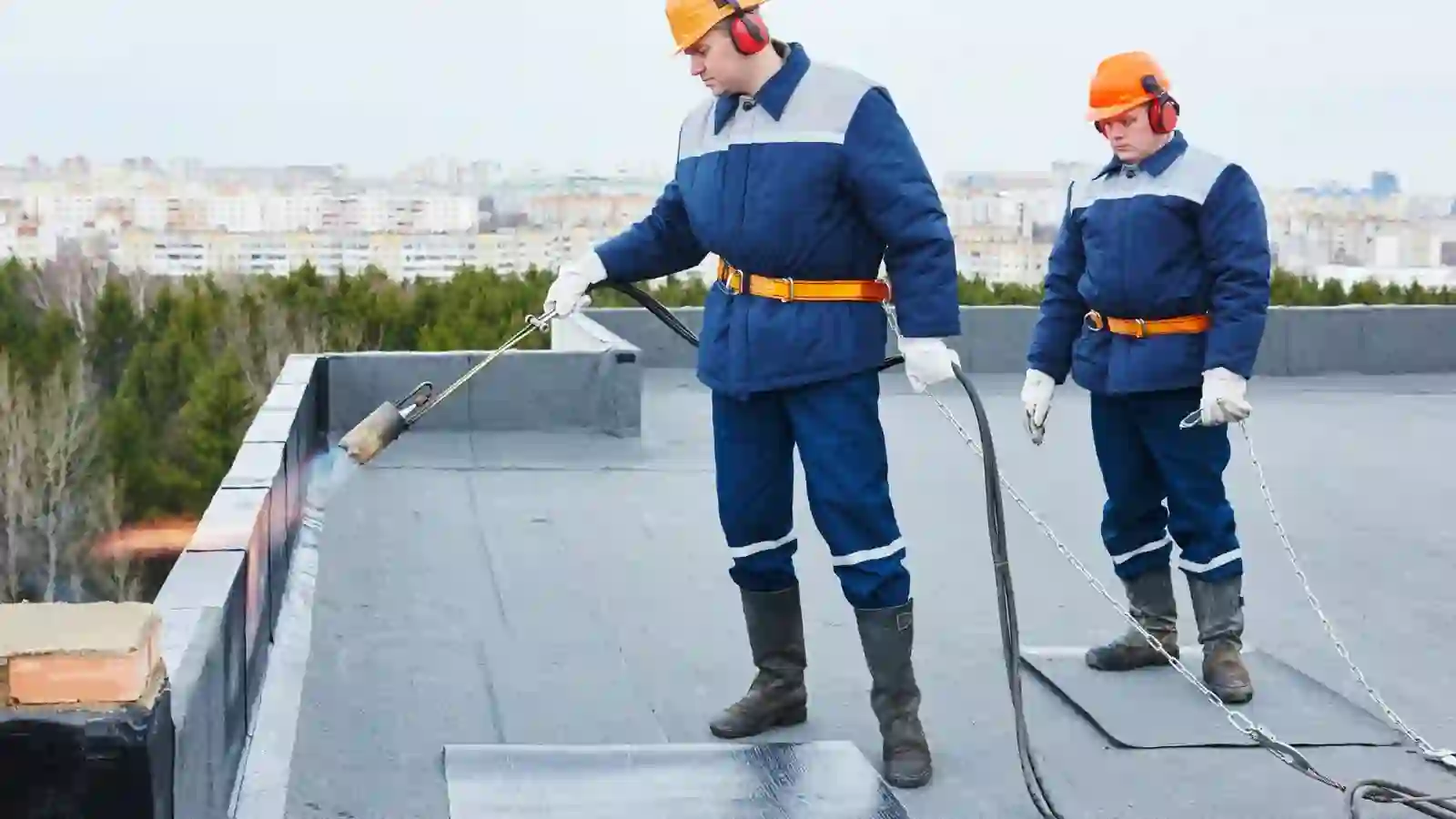
01What is Rolled Roofing and How Does It Work?
Rolled roofing consists of asphalt and mineral material in large roll format, typically 3 feet wide and 36 feet long. Each roll covers approximately 100 square feet. Material is self-adhesive with tar or asphalt backing, allowing overlap installation without separate tar application. Mineral-surfaced top layer provides UV protection and weather resistance. Rolled roofing is lighter weight than shingles, easier to handle, and requires minimal tools for installation. It's designed specifically for low-slope and flat roofs where water drainage differs from pitched residential roofs.
Installation involves rolling material onto the roof surface, overlapping edges, and securing with nails or adhesive along edges and seams. Process is straightforward compared to shingle installation. Material flexibility allows conforming to roof surface irregularities. Seams are critical, proper overlap (3-6 inches) and secure fastening prevent water infiltration. Rolled roofing doesn't create the aesthetic dimension of shingles but prioritizes functionality and economy. Albany contractors appreciate rolled roofing for storage buildings, gazebos, and temporary structures.
02Rolled Roofing Applications and Best Uses
Rolled roofing excels on low-slope roofs (under 4-in-12 pitch) where shingle installation isn't appropriate. Common applications include detached garages, storage sheds, carports, and garden structures. Agricultural buildings benefit from rolled roofing's simple installation. Flat-roof additions like porches or deck structures use rolled roofing. Commercial buildings with minimal slope or flat roofs frequently use rolled roofing. RV storage buildings and boat structures benefit from its economy. Any structure requiring basic weatherproofing without architectural expectations is ideal for rolled roofing.
Rolled roofing shouldn't be used on steep residential roofs where shingles are standard. It's not suitable for primary homes or structures where aesthetic appearance matters. Buildings with complex roof lines or multiple valleys require shingles instead. Rolled roofing is also not recommended for areas with heavy foot traffic. Albany's harsh winters and heavy snow loads stress rolled roofing on larger structures, shingles are typically better for main homes. Rolled roofing is best for secondary structures where function trumps appearance.
03Rolled Roofing Pros and Cons
Rolled roofing advantages are compelling for budget projects. Initial cost is significantly lower than shingles, material runs $1.50-3 per square foot versus $4-6 for shingles. Installation is quick and simple, experienced crews complete projects rapidly, reducing labor costs. Material is lightweight and easy to handle. Seams are straightforward compared to shingle complexity. Flat-roof repairs are simple. Rolled roofing provides adequate weatherproofing for secondary structures. It's excellent for temporary or budget-conscious applications.
Disadvantages include short lifespan, typically 5-10 years versus 15-20 for shingles. Material appearance is plain and industrial. Seams and edges are vulnerability points requiring careful installation. Foot traffic causes damage easily. UV exposure degrades material faster than shingles. In Albany's freeze-thaw cycles, seams can separate. Maintenance costs accumulate over time due to frequent replacement. Extended lifespan of shingles often means lower total cost despite higher upfront price. Building codes increasingly prefer shingles for residential structures. For long-term value, roof replacement with shingles is often better investment.
Get a free, no-pressure estimate from a fully insured local crew.
04Installation Process and Technique
Rolled roofing installation begins with roof surface preparation, clearing debris, repairing underlayment, and ensuring flatness. Surface must be relatively smooth and dry. First roll is unrolled across roof width, aligned at edge. Material is secured with nails along edge at 6-inch intervals. Subsequent rolls overlap first roll by 3-6 inches. Overlaps are sealed with roofing cement or self-adhesive backing is activated. Proper overlapping is critical, inadequate overlap allows water infiltration. Edges along all perimeters are secured with additional nails. Final edges are sealed and trimmed neatly.
Professional installation from Mastaba Roofing ensures correct overlap, secure fastening, and proper sealing. DIY installation is possible for experienced property owners but mistakes are costly. Poor seam sealing leads to leaks. Inadequate fastening causes wind damage. Over-fastening tears material. Improper overlap creates water paths. Professional installation includes inspection and warranty. Roof installation by experienced crews ensures maximum lifespan. Mastaba Roofing has installed thousands of rolled roofs across Albany properties near you.
05Rolled Roofing vs Asphalt Shingles Comparison
Rolled roofing and asphalt shingles serve different purposes. Shingles are for pitched roofs, rolled roofing for flat/low-slope. Shingles last 15-20 years, rolled roofing 5-10 years. Shingle appearance is residential and attractive, rolled roofing is utilitarian. Installation cost per square foot is similar but rolled roofing projects are smaller scale typically. Shingles require proper ventilation, rolled roofing doesn't. Shingle styles include architectural options, rolled roofing is basic. For Albany residential homes, shingles are overwhelmingly preferred. For secondary structures, rolled roofing is budget choice.
Long-term cost analysis favors shingles for main roofs. A shed roof in rolled roofing replaced every 7 years costs less than shingles. However, if comparing 30-year lifespan, shingles typically have lower total cost despite higher initial expense. Shingle warranty is typically 25-30 years, rolled roofing 5-10 years. For home resale, shingle roofs are valuable asset while rolled roofing on secondary structures doesn't impact value. Aesthetically, shingles enhance curb appeal while rolled roofing is invisible. Maintenance burden is similar but shingle warranties provide protection. Mastaba Roofing recommends shingles for primary structures and rolled roofing for budget secondary structures.
Rolled Roofing Installation
Free estimate for shed, garage, or flat-roof rolled roofing. Mastaba Roofing is fully insured with 15+ years experience. Honest advice on material choice near you.
Mastaba Roofing serves Albany and the Capital Region from 4 local offices. $0 down financing up to 140 months.
06Rolled Roofing FAQ
What exactly is rolled roofing and where is it used?
Rolled roofing is asphalt roofing material in large rolls, typically 3 feet wide and 36 feet long, with mineral-surfaced coating. It's primarily used for low-slope and flat roofs on sheds, garages, carports, and commercial buildings. Rolled roofing is budget-friendly, easy to install, and provides basic weatherproofing. Application includes sheds, storage buildings, low-slope residential additions, porches, and other structures not requiring steep-slope shingles. Albany properties with detached garages and sheds often benefit from rolled roofing's affordability and simplicity.
How long does rolled roofing last and what's the maintenance?
Rolled roofing typically lasts 5-10 years before needing replacement, significantly shorter than asphalt shingles' 15-20 years. Lifespan depends on Albany climate exposure, maintenance, and installation quality. Maintenance includes regular inspection for blisters, tears, and seam separation. Clear gutters to prevent water backup. Inspect seams after heavy rains. Professional maintenance can extend life toward upper range. Cost of maintenance is typically low compared to replacement costs. Regular inspections catch problems early preventing costly damage.
How much does rolled roofing cost compared to asphalt shingles?
Rolled roofing costs $1.50-$3 per square foot material, significantly cheaper than shingles' $4-6. Installation runs $3-5 per square foot total. A 500-square-foot shed roof costs $1,500-$2,500 installed. Asphalt shingles would cost $2,000-$3,500 for same area. Rolled roofing's low cost makes it ideal for budget projects. However, shorter lifespan means replacement more frequently. Over 20 years, rolled roofing's initial savings diminish due to multiple replacements. Mastaba Roofing provides accurate estimates for your specific project.
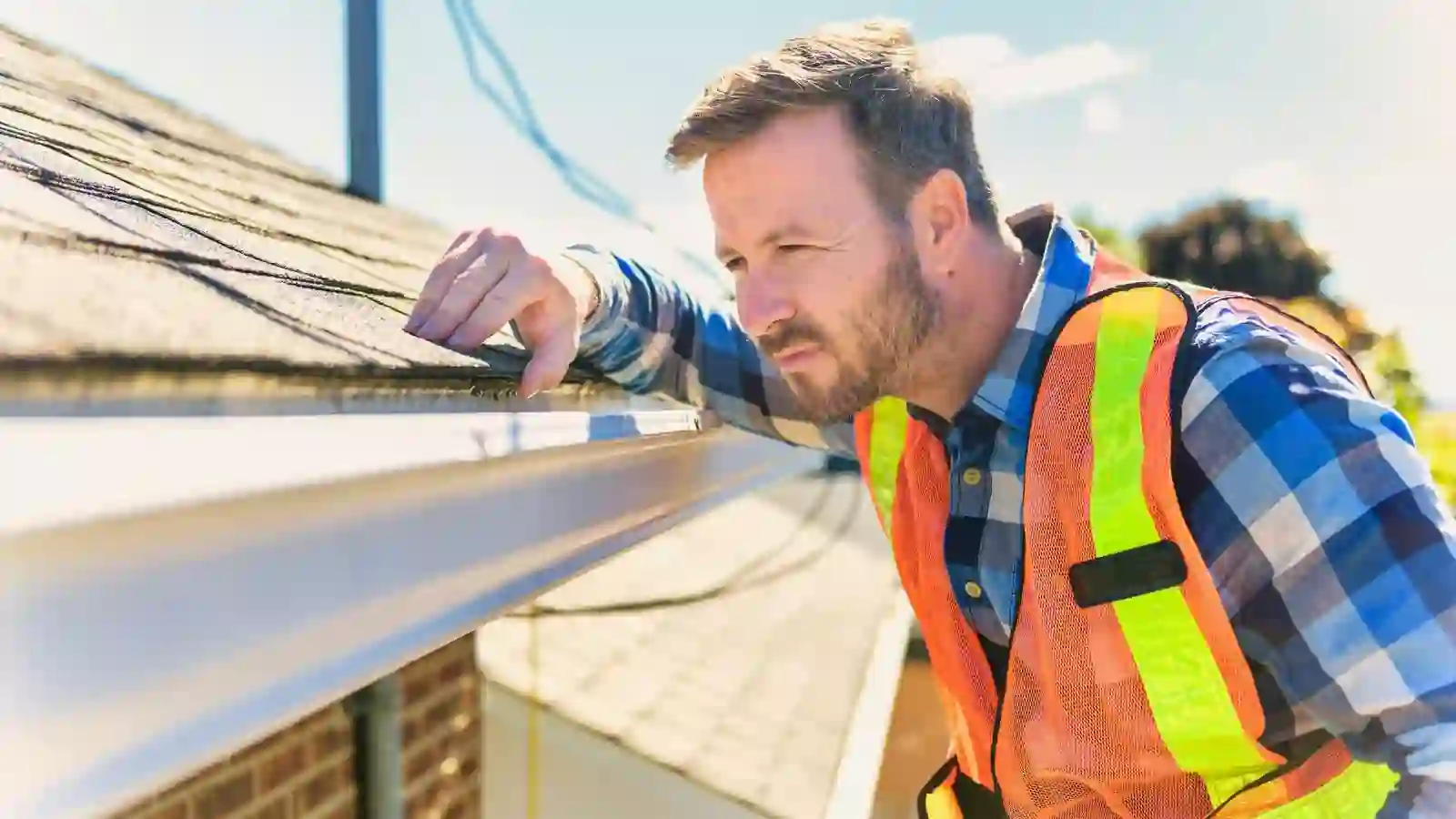
Written by the Mastaba Roofing team. Fully insured roofing and siding contractor with 15+ years and 300+ projects across Albany and the Capital Region. About our team.