
TPO (Thermoplastic Polyolefin) is newer flat roofing technology gaining popularity since the 1990s. It combines advantages of plastic flexibility and rubber durability in a single-ply membrane. If you're considering replacing your flat roof near Albany, TPO offers compelling benefits, especially its light color that reduces cooling costs and strong heat-welded seams.
Mastaba Roofing has installed hundreds of TPO roofs over 15+ years and is fully insured. We understand TPO's strengths and limitations in Albany's climate. This guide covers TPO benefits, costs, installation, maintenance, and how it stacks against EPDM for Albany homes.
Key takeaways
- TPO light color reflects heat, reducing cooling costs 10-30% compared to dark roofs
- Heat-welded seams are stronger than EPDM's taped seams, reducing leak risk significantly
- TPO costs $8-12 per square foot, 25-50% more than EPDM but less than some materials
- Brittleness in extreme cold below -10 degrees is concern for Albany winters
- TPO requires no cleaning and minimal maintenance compared to EPDM
- Total ownership favors TPO if cooling savings exceed material cost premium within 5-7 years
01TPO Material Properties and Installation Method
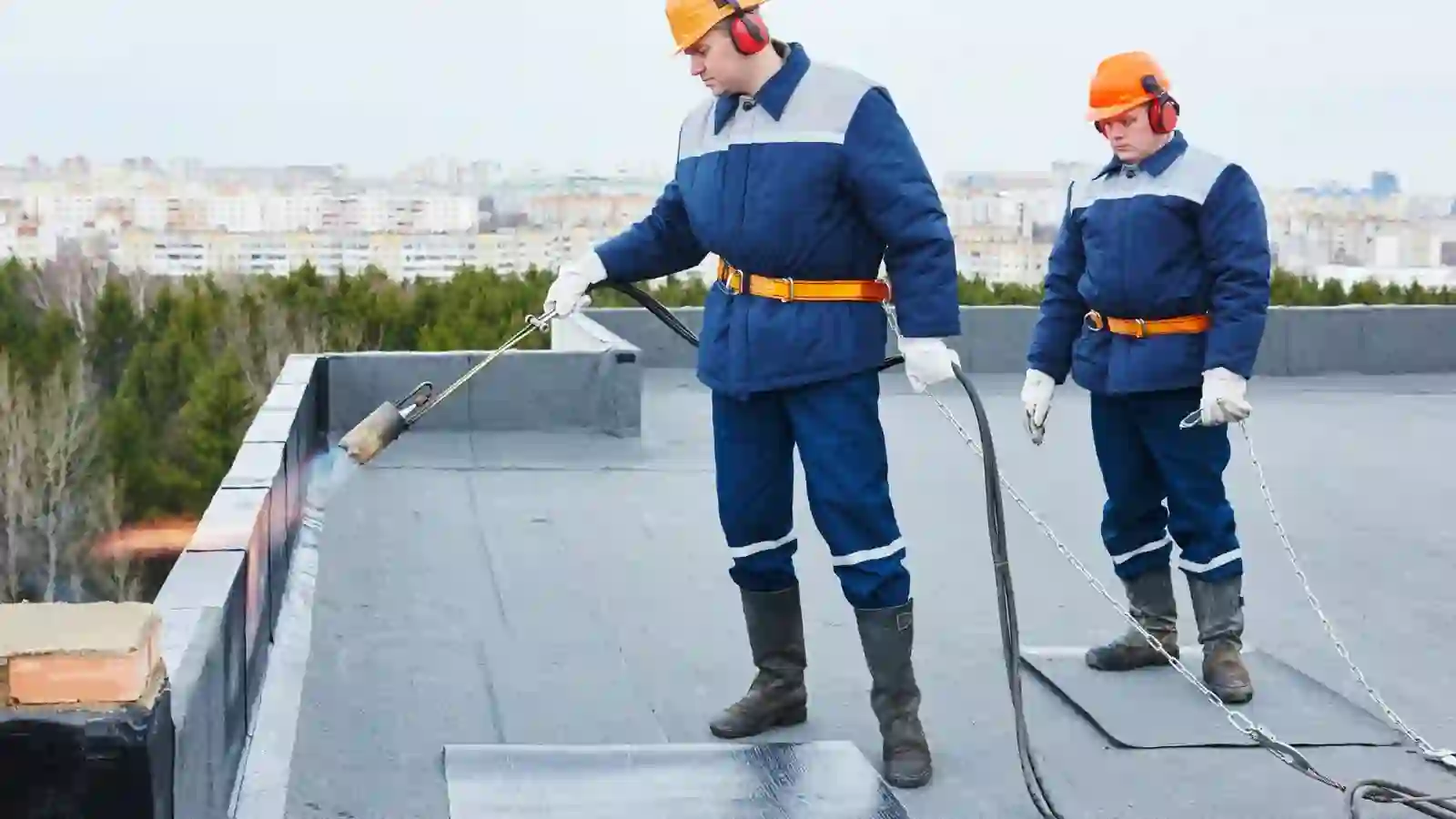
TPO combines plastic polymers and rubber to create single-ply membrane offering best of both materials. The polymer component provides structural strength and UV resistance, while rubber component offers flexibility and weather protection. Most importantly, TPO seams are heat-welded rather than taped and glued. Heat-welded seams create seamless bonds stronger than adhesive, dramatically reducing leak risk.
Installation requires specialized heat-welding equipment and trained technicians. The installer rolls out membrane, positions overlaps, then heat-bonds seams using a torch-like tool. This process takes longer than EPDM installation but produces superior results. Proper installation is critical, poor heat-welds fail quickly. Mastaba Roofing employs certified installers following manufacturer specifications precisely.
02TPO Benefits, Heat Reflection and Energy Savings
TPO's light color (white or light gray) reflects solar radiation instead of absorbing it like dark EPDM. This reflectivity reduces roof surface temperature by 30-50 degrees Fahrenheit compared to dark roofs. Lower surface temperature means less heat transfer into the building, reducing air conditioning load significantly. Studies show TPO roofs can cut cooling costs 10-30% compared to dark roofs. For homeowners paying high cooling bills, this energy savings justifies TPO's higher upfront cost.
Energy efficiency benefits extend beyond economics. Lower energy use means reduced environmental impact, fewer kilowatts consumed means less coal burned at power plants. TPO helps buildings meet green building standards like LEED. The light color also keeps roof surface cleaner-looking longer, maintaining aesthetic appeal. No algae growth like dark EPDM, eliminating cleaning costs entirely.
03TPO Disadvantages, Cold Weather and Brittleness Concerns
TPO's primary disadvantage is brittleness in extreme cold, which concerns Albany property owners facing harsh winters. When temperatures plummet below -10 degrees Fahrenheit, TPO becomes stiff and inflexible. Thermal expansion and contraction stress seams and cause minor cracks. These cracks allow water penetration when temperatures warm and snow melts. EPDM remains flexible in similar conditions, making it arguably better for severe climates.
Installation quality is also critical, poor heat-welding leads to seam failures. The material costs more than EPDM ($8-12 versus $6-10 per square foot), and installation takes longer due to welding requirements. TPO is also more puncture-prone than EPDM, foot traffic and debris create holes more easily. Repairs cost slightly more than EPDM patches. For Albany's climate, EPDM's superior cold-weather performance may outweigh TPO's cooling benefits.
Get a free, no-pressure estimate from a fully insured local crew.
04TPO vs EPDM, Which Wins for Your Roof?
TPO costs more upfront but saves on cooling, often 10-30% annually. For buildings with high summer air conditioning, TPO breaks even in 5-10 years. EPDM costs less initially but offers no cooling savings and requires biennial cleaning. If your building is lightly air conditioned or closed seasonally, EPDM's lower cost wins. TPO's light color resists algae while EPDM turns green without cleaning.
Cold-weather flexibility favors EPDM for Albany. TPO becomes brittle below -10 degrees, potentially developing small cracks. EPDM remains pliable through extreme cold. For residential applications, EPDM's superior cold tolerance typically wins despite higher maintenance. For commercial buildings with significant cooling loads, TPO's energy savings justify material and installation costs. Mastaba Roofing helps you analyze costs for your specific building.
05TPO Maintenance and Long-Term Ownership Costs
TPO requires minimal maintenance compared to EPDM. Annual inspections check seams and penetrations for damage. Light color eliminates cleaning needs entirely, no algae growth to pressure wash. Re-caulk around vents every 5-7 years ($200-$500). Repairs are straightforward, holes get patched with compatible membrane tape or liquid sealant. Small repairs cost $100-$400, seam work $300-$800.
TPO lifespan of 20-40 years is respectable though slightly shorter than EPDM. Total 30-year ownership cost often favors TPO when cooling savings are factored in. A building saving $2,000 annually on cooling recovers the $4,000-$8,000 cost premium in 2-4 years. After recovery period, savings accumulate. Many TPO warranties cover 15-20 years against defects. Mastaba Roofing provides detailed cost comparisons so you can choose based on your priorities and budget near you.
TPO Roofing Installation and Quotes
Free TPO roofing consultation and cost comparison. Mastaba Roofing is fully insured. We install and repair TPO roofs. Energy savings analysis available. 15+ years serving Albany.
Mastaba Roofing serves Albany and the Capital Region from 4 local offices. $0 down financing up to 140 months.
06TPO Roofing FAQ
What is TPO roofing and how long does it last?
TPO (Thermoplastic Polyolefin) is single-ply membrane for flat roofs made from plastic and rubber compounds. It features heat-welded seams for superior strength. TPO typically lasts 20-30 years with good maintenance, sometimes reaching 40. Light color reflects UV and heat, reducing cooling costs. TPO is popular for commercial buildings but works well on residential flat roofs.
What are TPO roofing benefits and drawbacks?
Benefits include light color reflecting heat, strong heat-welded seams, good UV resistance, and ease of repair. Drawbacks include brittleness in extreme cold (problematic for Albany winters), potential puncture risk, and higher upfront cost than EPDM. TPO works well in moderate climates but EPDM may be better for harsh winters with extreme freeze-thaw cycles.
How much does TPO roofing cost installed?
TPO roofing costs $8-12 per square foot installed. A 2,000-square-foot roof runs $16,000-$24,000. This is more expensive than EPDM but competitive with asphalt shingles and metal. Longevity and low maintenance justify upfront cost. Many warranties cover 10-20 years. Mastaba Roofing provides accurate quotes based on your roof size and complexity.
Written by the Mastaba Roofing team. Fully insured roofing and siding contractor with 15+ years and 300+ projects across Albany and the Capital Region. About our team.