
Roof flashing is a critical but often overlooked roofing component. Many homeowners don't realize flashing exists until it fails and water invades their attic. This metal barrier separates your roof from vulnerable areas where water loves to hide, chimneys, vents, skylights, valleys, and edges. Understanding flashing helps you prevent costly interior damage.
Mastaba Roofing has repaired thousands of flashing failures across Albany over 15+ years. This guide explains what flashing does, failure signs to watch for, and whether you need repair or replacement. Being fully insured, we handle complex flashing work safely near you.
Key takeaways
- Flashing prevents water penetration at roof junctions, chimneys, vents, valleys, skylights
- Water stains near chimneys or vents indicate flashing failure needing prompt attention
- Simple re-caulking repairs cost $150-$400; full flashing replacement runs $600-$1,500
- Replace rather than repair when flashing is rusted through, cracked, or older than 10 years
- Proper installation with overlapping layers and flexible caulk prevents 80% of water leaks
- Annual inspections and clearing debris from valleys extends flashing life dramatically
01What Flashing Does and Types of Flashing
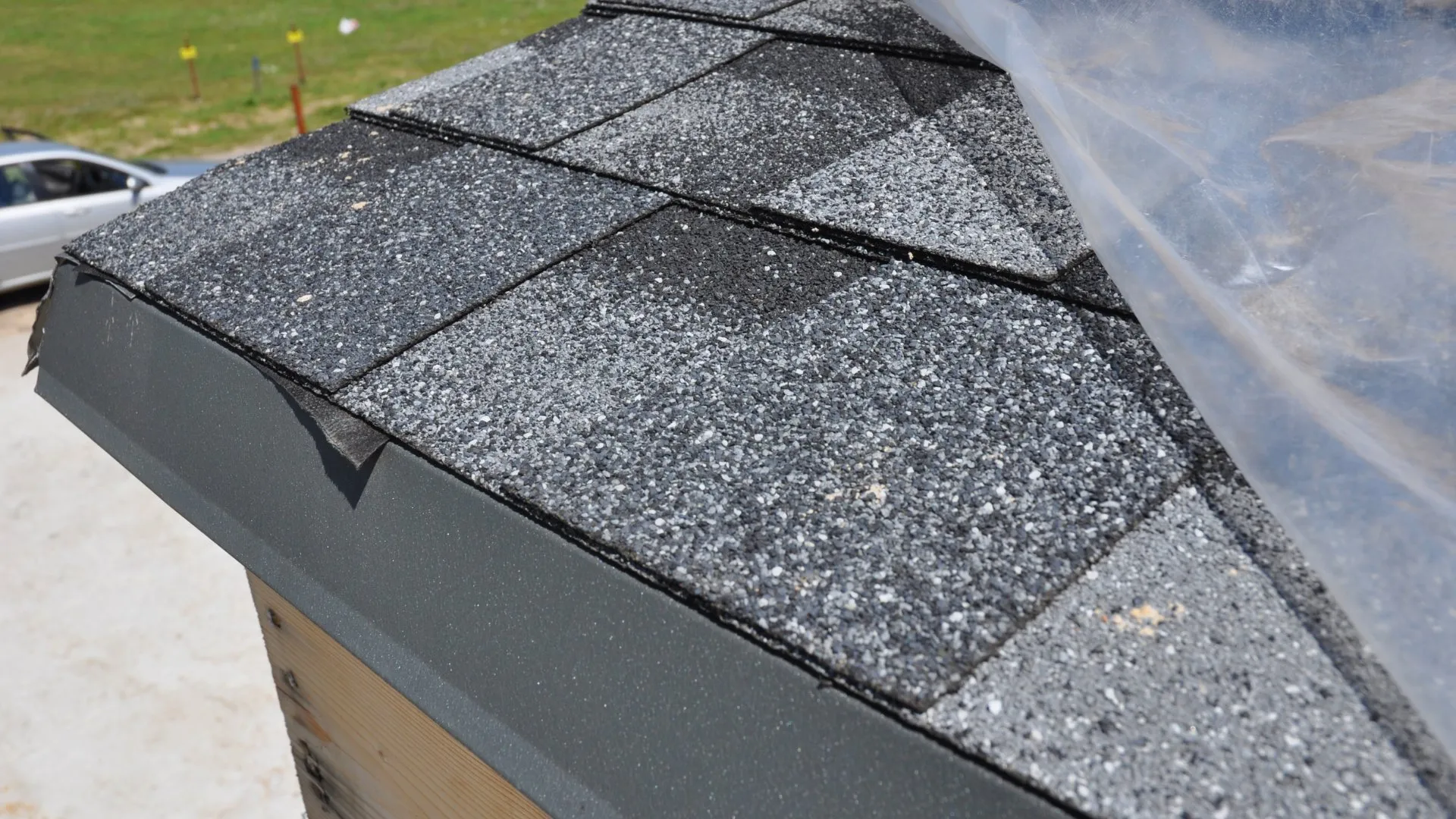
Flashing is thin metal, usually aluminum or galvanized steel, installed at roof penetrations and junctions. When rain falls on your roof, water naturally flows toward low points and seeks openings. Flashing redirects water away from these vulnerable areas back onto the shingles where it can drain properly. Without flashing, water seeps under shingles and decking, causing hidden structural damage.
Common flashing types include chimney flashing (surrounds chimney base), step flashing (runs down roof valleys), valley flashing (lines roof valleys where two slopes meet), vent pipe flashing (seals around roof vents), skylight flashing (surrounds skylights), and edge flashing (seals roof perimeter). Each type serves specific purposes and requires different repair approaches. Professional flashing repair ensures proper function.
02Signs of Flashing Failure
Interior water stains around chimneys, vents, or skylights are primary flashing failure indicators. Look for rust spots, water streaking, or stains appearing after heavy rains. Exterior inspection reveals rust on flashing surface, bent or lifted metal, gaps between flashing and roof surface, and missing or deteriorated caulk sealing joints. Ice dams in Albany winters push water under flashing edges, creating interior leaks even when exterior appearance looks acceptable.
Flashing pulling away from decking, cracked or split metal, and separation at seams all demand attention. Granule loss or dark staining around flashing edges indicates water penetration. Don't wait for ceiling stains to appear, by then water has already damaged insulation and structure. Mastaba Roofing inspects flashing condition during roof assessments and catches problems early.
03Chimney Flashing and Valley Flashing Issues
Chimney flashing is among the most complex and failure-prone flashing types. Multiple pieces must work together, base flashing, counter-flashing, and caulked seams. Gaps allow water into the chimney structure causing interior damage. Valley flashing where two roof slopes meet concentrates heavy water flow, making it prone to debris clogging and overflow. Leaves, branches, and granules can block valleys forcing water under shingles.
Chimney flashing repairs run $300-$800 for simple re-caulking, but full replacement costs $600-$1,500 if flashing is severely rusted. Valley flashing repair ($200-$600) addresses blockages and sealing. When flashing has failed repeatedly or is more than 10 years old, replacement is wiser than continued patching. Mastaba Roofing replaces chimney and valley flashing with proper step flashing and metal bends that shed water effectively.
Get a free, no-pressure estimate from a fully insured local crew.
04Repair vs Replacement Decision
Simple flashing repairs like re-caulking gaps or sealing minor leaks cost $150-$400 and work well when flashing structure remains sound. Re-caulk around vent pipes, reseal chimney counter-flashing, and address small rust spots with sealant. These repairs buy time and prevent immediate leaks. However, if flashing is rusted through, severely bent, or has cracked metal, repairs won't hold long-term.
Replace flashing when repair cost approaches 40-50% of replacement cost. A chimney flashing replacement ($800-$1,500) with 15-year lifespan is smarter than repeatedly repairing a $300-$400 leak. If your roof is being replaced, replace all flashing regardless of age, it's inefficient to install new shingles over aging flashing. Mastaba Roofing evaluates each situation and recommends the most cost-effective solution.
05Flashing Installation and Maintenance
Proper flashing installation is critical for long-term performance. Flashing must overlap roof elements correctly, water flows down and across, so upper flashing overlaps lower shingles. Step flashing requires multiple pieces overlapping properly down the slope. Caulking seals joints but must be flexible and UV-resistant, rigid caulk cracks during freeze-thaw cycles. Quality installation prevents 80% of potential leaks.
Maintenance extends flashing life significantly. Inspect flashing annually, especially after heavy storms. Keep valleys and gutters clear of debris. Re-caulk flashing joints every 3-5 years or when you see cracks. In Albany winters, inspect flashing after ice dams, water sometimes pushes under flashing even when it's properly installed. Mastaba Roofing's 15+ years of experience ensures flashing installations and repairs work through harsh winters near you.
Flashing Inspection and Repair
Free flashing inspection and repair estimate. Mastaba Roofing is fully insured. We repair and replace all flashing types. Same-day emergency service available. 15+ years serving Albany.
Mastaba Roofing serves Albany and the Capital Region from 4 local offices. $0 down financing up to 140 months.
06Flashing Repair FAQ
What is roof flashing and why does it matter?
Flashing is metal material installed at roof junctions, chimneys, vents, valleys, skylights, to direct water away from vulnerable areas. Without flashing, water penetrates seams and causes interior damage. Properly installed flashing prevents 80% of roof leaks. Mastaba Roofing ensures flashing installation meets code and protects your home.
What are common flashing failure signs?
Look for rust, bent metal, missing caulk, gaps between flashing and roof, water stains near chimneys or vents, and granule loss around flashing edges. Ice dams pushing under flashing cause winter leaks in Albany. Flashing pulling away from decking needs immediate attention. Interior water stains below flashing locations signal active leaks.
Should I repair or replace roof flashing?
Repair small gaps with metal sealant or caulk if flashing is still structurally sound. Replace flashing if rusted through, cracked, severely bent, or if repair costs exceed 40% of replacement. Step flashing and valley flashing last longer replaced. Chimney flashing around 10+ years old should be replaced preventatively. Mastaba Roofing recommends replacement when appropriate.
Written by the Mastaba Roofing team. Fully insured roofing and siding contractor with 15+ years and 300+ projects across Albany and the Capital Region. About our team.