
When planning a roof replacement, the choice between metal roofs and asphalt shingles often comes down to cost. Metal roofs cost significantly more upfront, nearly three times more than traditional shingles, but they last dramatically longer. Understanding the complete cost picture over 25-30 years helps you make the right decision for your Albany home. Some homeowners find metal's long-term value justifies the initial investment.
This guide compares actual costs, lifespan, maintenance, and total cost of ownership over multiple decades. We'll explain why metal roofs appeal to some homeowners and why asphalt shingles remain the most popular choice. Mastaba Roofing has installed both types extensively and can help you evaluate which makes sense for your situation.
Key takeaways
- Asphalt shingles cost $3-$5/sq ft; metal costs $8-$14/sq ft upfront
- Asphalt roofs last 20-25 years; metal roofs last 40-70 years
- Over 25-50 years, total costs are surprisingly comparable
- Asphalt requires more maintenance and repair throughout lifespan
- Metal is more durable in Albany's harsh ice dam climate
- Second replacement of asphalt will cost more due to inflation
- Long-term homeowners benefit more from metal's durability
- Short-term residents benefit from asphalt's lower upfront cost
- Energy savings from metal are modest in cold climates
- Home style and HOA rules may restrict metal in some cases
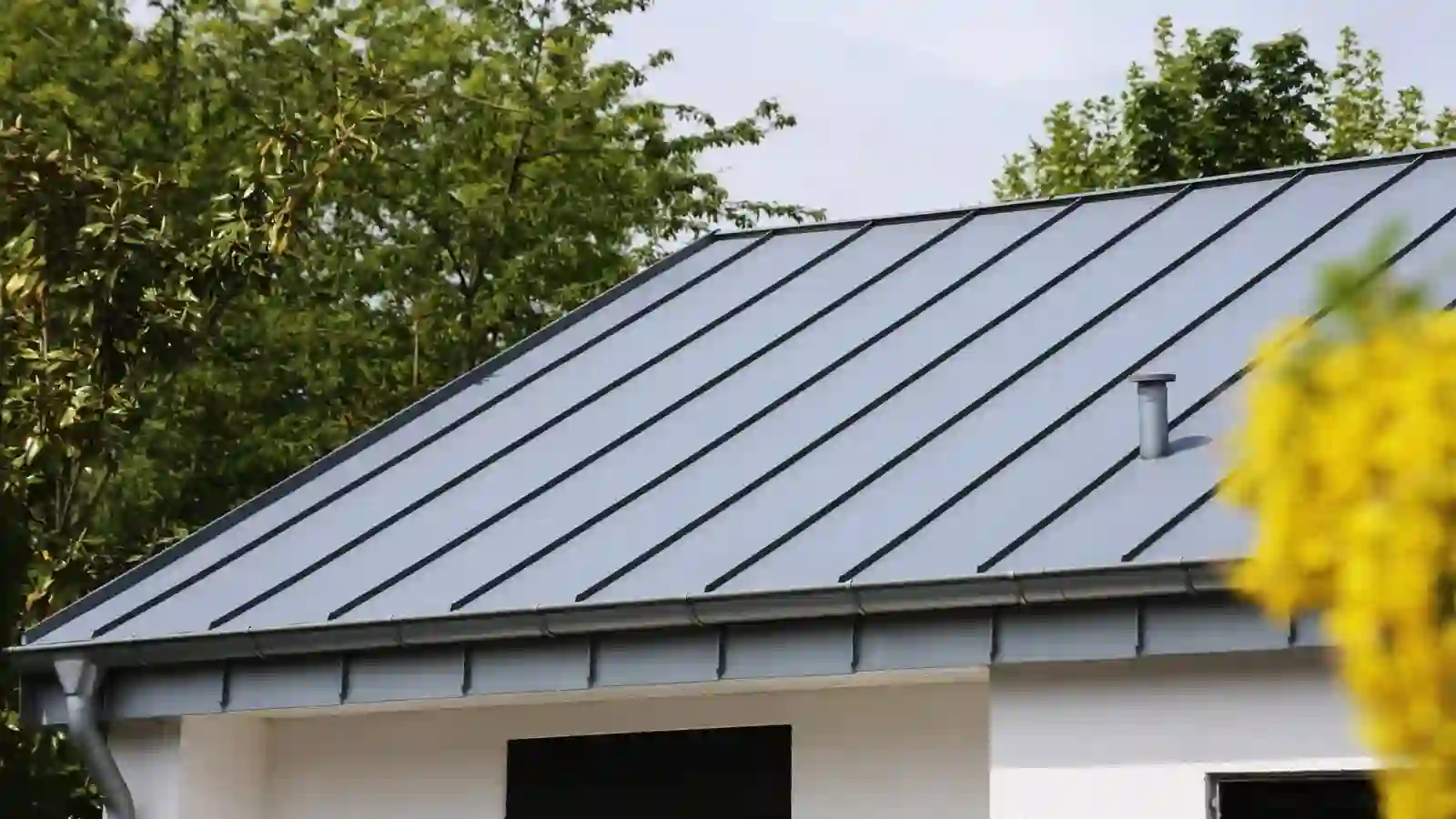
01Upfront Installation Costs
Asphalt shingles are the economy choice, $3-$5 per square foot installed for standard three-tab shingles, $5-$8 for architectural shingles. A typical 2,000 square foot roof costs $6,000-$16,000. Metal roofs run $8-$14 per square foot installed, bringing the same house to $16,000-$28,000. The upfront premium ranges from $10,000-$12,000 for an average house.
Metal installation requires specialized equipment and expertise, increasing labor costs. Material itself is expensive, copper, aluminum, and steel all cost significantly more than asphalt. However, complex roof shapes, multiple penetrations, and steep pitches increase costs for both types. Existing roof removal adds expense regardless of material choice.
02Lifespan and Replacement Frequency
Asphalt shingles typically last 20-25 years in Albany's climate. Ice dams, freeze-thaw cycles, and UV exposure accelerate deterioration. Most homeowners replace shingles once or twice in a lifetime. Metal roofs last 40-70 years depending on material and maintenance, some exceed 75 years. This means one metal roof replacement vs two or three shingle replacements over a lifetime.
Over a 50-year period, you might install metal roofing once and asphalt shingles twice. The second shingle replacement might cost $20,000+ due to inflation and higher labor rates. Metal's longevity means avoiding disruption and hassle of repeated replacements. For homeowners planning to stay long-term, metal's extended lifespan is a significant advantage.
03Maintenance and Repair Costs
Asphalt shingles require regular maintenance, gutter cleaning, inspection for damage, sealing gaps. Minor repairs like replacing damaged shingles run $200-$500. Major repairs can exceed $2,000. By year 15-20, repair costs escalate as deterioration accelerates. Many roofs reach a point where ongoing repairs cost nearly as much as replacement.
Metal roofs require minimal maintenance, occasional gutter cleaning and inspection. Repairs are rare because metal doesn't deteriorate like shingles. If damage occurs, repair costs are typically $200-$800. Over 40 years, total maintenance for metal is likely less than asphalt requires in half that time. The durability advantage translates to savings beyond just avoiding replacement.
Get a free, no-pressure estimate from a fully insured local crew.
0425-Year Total Cost Analysis
Over 25 years, assume a 2,000 square foot roof. Asphalt shingles: initial $10,000, replacement year 20-22 for $15,000 (inflation), plus maintenance averaging $500 annually = roughly $27,000 total. Metal roof: initial $22,000, minimal maintenance around $200 annually = roughly $27,000 total over 25 years. Surprisingly, long-term costs are comparable.
However, this assumes replacement costs stay proportional to today's dollars. Real inflation could make the second shingle roof replacement much more expensive, widening the advantage for metal. Additionally, metal provides benefits asphalt doesn't, superior durability in Albany's ice dam climate, better weather performance, less frequent emergency repairs. For long-term homeowners, metal often provides better long-term value.
05Factors That Influence Your Choice
Consider how long you plan to stay, if you're moving within 10 years, asphalt makes financial sense despite higher repair risk. If you're staying 20+ years, metal's durability provides better value. Budget constraints might force asphalt despite long-term disadvantages. Home style matters, metal roofs suit modern and industrial aesthetics; traditional homes often look better with shingles. Historic district rules sometimes restrict metal.
Financing options affect decisions too, metal's higher cost might require financing that asphalt doesn't. Energy savings potential varies by climate and roof color. In Albany's cold winters, benefits are modest. Insurance discounts sometimes apply to metal roofs. Mastaba Roofing helps you evaluate all factors specific to your situation, not just upfront cost.
Compare Metal and Shingles for Your Home
Get detailed cost analysis and recommendations from Mastaba Roofing. Fully insured. 15+ years serving Albany.
Mastaba Roofing serves Albany and the Capital Region from 4 local offices. $0 down financing up to 140 months.
06Metal vs Shingles FAQ
How much does a metal roof cost compared to asphalt shingles?
Metal roofs cost $8-$14 per square foot installed versus $3-$5 for asphalt shingles, roughly 2-3 times more upfront. However, over 25 years, total cost is comparable because shingles need replacement every 20-25 years while metal lasts 40-70 years. Long-term costs favor metal for most homeowners.
How long does each type of roof last?
Asphalt shingles last 20-25 years typically, requiring replacement in one or two generations. Metal roofs last 40-70 years depending on material and maintenance. Some metal roofs last 75+ years. In Albany's climate, metal's superior durability against ice and snow damage extends lifespan significantly.
Do metal roofs save money on energy bills?
Metal roofs reflect more sunlight than dark asphalt shingles, potentially reducing cooling costs 10-25% in summer. Benefits are less dramatic in Albany's cold climate, though reflective metal still helps. Energy savings typically recover 20-30% of installation cost premium over the roof's lifetime.
How long do asphalt shingles last compared to metal roofing?
Asphalt shingles typically last 15-20 years in Albany's climate, with quality architectural shingles reaching 20-25 years. Metal roofing lasts 40-70 years with minimal maintenance. Over a 50-year period, you'd replace asphalt shingles 2-3 times while a single metal roof installation covers your entire ownership period. Long-term cost per year favors metal despite higher upfront cost.
Which roofing handles Albany winters better?
Metal roofing is superior in Albany winters. The smooth surface sheds snow and ice completely, preventing ice dams and winter water damage that plague asphalt shingles. Metal expands and contracts without cracking like asphalt does during freeze-thaw cycles. Asphalt shingles become brittle in extreme cold and lose granules to snow abrasion. For Albany climate, metal roofing provides dramatically better performance.
What's the total cost difference between asphalt and metal roofing?
Initial cost: Asphalt shingles cost $4,000-$8,000, metal costs $8,000-$15,000 for average Albany homes. Over 50 years: Asphalt requires 2-3 replacements ($12,000-$24,000 total) plus frequent repairs. Metal requires one installation with minimal repairs. When you factor in replacement cycles, metal roofing often costs less over lifetime. Plus, metal adds more resale value.
What is tin roofing and is it actually made of tin?
Modern 'tin roofing' is typically galvanized steel with zinc coating, the name is historical misnomer. Historical tin roofing used actual tin coating before galvanizing was developed. Modern versions are steel (primary component) coated with zinc, aluminum, or tin-zinc alloy. Galvanized steel is most common 'tin' roofing today. Pure tin coating is rare and expensive. Traditional tin roofing appearance features standing seam or corrugated profile. Modern tin roofing combines steel durability with corrosion protection. The term 'tin' persists despite modern construction being primarily steel. Material provides excellent durability when properly installed and maintained.
What are the main advantages and disadvantages of tin roofing?
Advantages: extremely durable (50+ year lifespan), lightweight compared to slate/tile, good corrosion resistance especially galvalume coating, minimal maintenance, economical compared to copper/slate, excellent for Albany climate. Disadvantages: noise during rain without proper insulation, rust concerns if coating is damaged, expansion/contraction requires thermal breaks, skilled installation is critical, sound dampening adds cost, cost higher than asphalt shingles. Rust potential exists if scratches or damage expose underlying steel. Expansion movement can loosen fasteners without proper installation. Noise complaints are common without sound insulation. Long-term value is strong but installation must be professional.
How does tin roofing cost compare to other metal roofing and shingles?
Tin (steel) roofing costs $8-15 per square foot material depending on coating type. Installed cost is $12-20 per square foot. A 2,000-square-foot roof costs $24,000-$40,000. Asphalt shingles cost $8-14 installed ($16,000-$28,000 total). Tin is 30-50% more expensive than shingles but lasts 40-50+ years versus shingles' 15-25 years. Copper roofing costs $20-40+ installed. Aluminum roofing costs $12-18 installed. Tin (steel) offers excellent value, superior durability versus shingles, lower cost than copper, and comparable cost to aluminum. Long-term cost analysis strongly favors tin roofing despite higher initial investment.
Written by the Mastaba Roofing team. Fully insured roofing and siding contractor with 15+ years and 300+ projects across Albany and the Capital Region. About our team.