
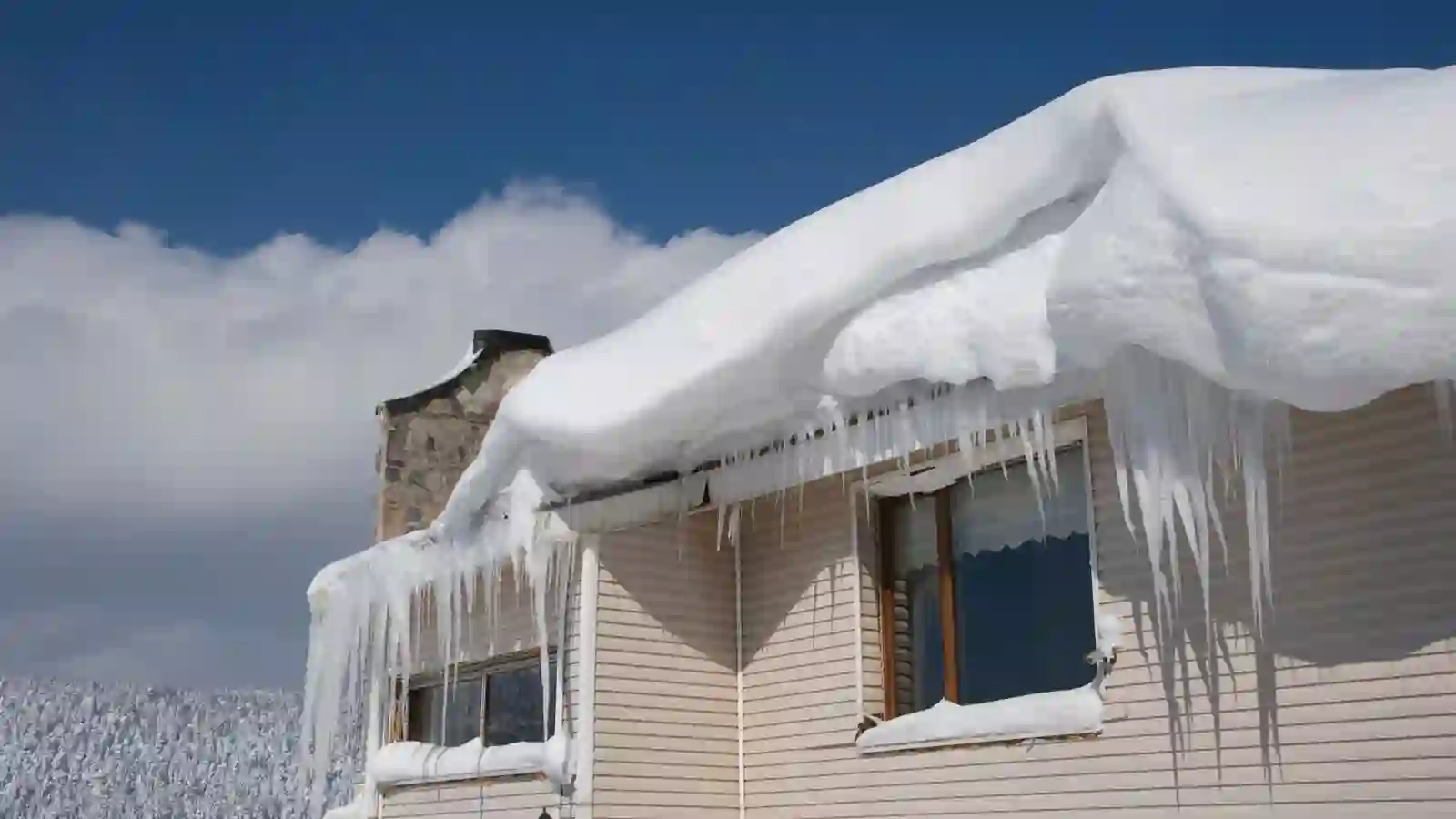
Albany experiences significant winter weather challenges, averaging 50+ inches of annual snowfall with several storms dumping 10-20 inches per event. Heavy snow accumulation on roofs creates structural stress, prevents water drainage, and contributes to ice dam formation, the most expensive roof problem in northern climates. Understanding when to remove snow, what removal methods are safe and effective, and how snow guards work prevents winter roof emergencies that compromise home integrity and endanger occupants. This comprehensive guide covers professional roof snow removal practices, DIY precautions, and preventive strategies for Albany homeowners near you.
Mastaba Roofing has spent 15+ Years providing snow removal and ice dam prevention services for Albany homeowners. Our fully insured team has responded to countless winter emergencies, roof collapses under heavy snow loads, water intrusion from ice dams, and injuries from unsafe DIY removal attempts. We've installed thousands of snow guards on metal roofing systems and developed proven protocols for safe, effective snow removal. Whether you're preparing for winter or dealing with current snow accumulation, this guide shares professional expertise to help you protect your Albany property.
Key takeaways
- Remove snow when accumulation exceeds 18-24 inches or ice dams form
- Professional snow removal costs $500-2,000; use professionals rather than DIY attempts
- Snow guards ($2-5/linear foot) prevent dangerous slides on metal roofs
- Prevent ice dams through attic insulation, ventilation, and air leak sealing
- Autumn gutter cleaning prevents debris-blocked drainage leading to ice dams
- Regular inspection identifies roof damage from heavy snow and ice loads
01Understanding Snow Load Limits and Structural Risk
Modern roof framing typically supports 40 pounds per square foot (PSF) snow load design standard, equivalent to approximately 20-24 inches of fresh snow depending on density. Wet, heavy spring snow or ice-laden snow from freezing rain can exceed design limits at 12-18 inches. Most Albany residential roofs can safely hold 50-60 PSF when properly maintained, but weight distribution matters significantly. Uniform snow loads distribute weight evenly; uneven loading (snow sliding off steep sections onto lower roofs) creates stress concentration points where collapse risk is highest. Visual indicators of excessive load include roof sagging, ceiling cracks, doors/windows becoming difficult to open, or cracking sounds during freeze-thaw cycles.
Proper attic ventilation and insulation reduce roof stress through temperature control. Well-ventilated attics remain near outdoor temperature, preventing heat loss that accelerates roof-surface melting, refreezing, and ice dam formation. Over-insulated attics with inadequate ventilation trap heat, creating "hot spots" where snow melts inappropriately, worsens ice dam formation, and accelerates snow sliding. Our fully insured Mastaba Roofing team recommends R-30 minimum attic insulation combined with proper soffit and ridge ventilation to prevent excessive heating and minimize snow-load accumulation dynamics.
02Professional Snow Removal Methods and Safety
Professional snow removal begins with roof raking, carefully pulling accumulation off lower roof sections using soft-plastic rakes that won't damage shingles or metal. Raking removes 2-4 feet of snow from eave edges, opening drainage paths and preventing ice dam formation. This method is slow but safe; professional teams remove 2,000-3,000 square feet daily. For steeper or larger roofs, professionals use snow blowers designed for roof work or steam cleaning combined with melting compounds. Hot water or steam melts ice dams and accumulated ice, allowing drainage restoration. Shoveling is generally avoided on pitched roofs due to fall risks, professional teams use safety equipment including harnesses, fall arrest systems, and warning lines.
Professional removal costs typically range $500-2,000 depending on roof size, snow depth, and method requirements. Single-story ranch homes might require $500-800 removal after major storms; multi-story homes with complex roofing could exceed $2,000. Many insurance policies cover snow removal if it prevents ice dam damage, making professional service financially prudent even for budget-conscious homeowners. Never attempt roof snow removal yourself unless the roof is low-pitched (under 4/12 slope), easily accessible from ground level, and snow depth is minimal. Fall injuries from roof snow removal cause serious injury or death; professional teams are fully insured and properly equipped.
03Snow Guard Installation for Metal Roofing
Snow guards are critical safety devices for standing seam and corrugated metal roofs in Albany. Unlike asphalt shingles with surface roughness that slows snow, smooth metal surfaces allow rapid snow/ice sliding. Without guards, entire season's accumulation can slide suddenly, endangering people below and potentially damaging vehicles, property, or outdoor structures. Snow guards mechanically attach to roof panels near eaves, creating barriers that hold snow until natural melting prevents catastrophic slides. Installation costs $2-5 per linear foot, approximately $200-500 for typical residential roof perimeter.
Different snow guard types serve different applications. Pipe-style guards (hollow tubes attached perpendicular to roof) are most common for metal roofs, offering strength and proven performance. Pad-style guards (flat metal rectangles) are less visible, appealing to aesthetically-conscious homeowners. Cable-style guards hold snow while allowing small amounts to shed gradually. For Albany's climate with heavy wet snow prone to sudden sliding, our fully insured Mastaba Roofing team typically recommends multiple rows of pipe-style guards: one near eaves and additional rows spaced 4-6 feet apart across the roof. This configuration prevents dangerous snow loads from ever developing.
Get a free, no-pressure estimate from a fully insured local crew.
04Ice Dam Formation and Prevention Strategies
Ice dams form when warm attic air melts snow on upper roof sections; the water flows downslope toward cold eaves where it refreezes into ice dams blocking drainage. Water backs up under shingles, infiltrating attics and causing ceiling leaks, mold growth, and structural rot. Preventing ice dams requires eliminating the temperature differential causing inappropriate melting. Primary strategies include: (1) improving attic insulation to reduce heat loss to roof, (2) sealing air leaks where warm living space air enters attic, (3) ensuring soffit vents aren't blocked by insulation, (4) installing proper ridge vents and ventilation pathways, and (5) removing snow accumulation from roof lower sections before water backup occurs.
For active ice dam situations, temporary solutions include: (1) roof raking to remove snow preventing melting, (2) heat tape installation along eave edges to melt ice, and (3) calcium chloride-filled socks positioned on ice dams to create drainage channels. These are temporary fixes; permanent solutions require addressing attic ventilation and insulation deficiencies. Our fully insured inspection team identifies specific problems causing ice dam formation on your Albany property, recommending tailored solutions preventing future winter emergencies near you. Emergency ice dam removal services cost $300-1,000 but often cost far less than water damage cleanup.
05Winter Roof Maintenance and Preparation
Preparing for Albany winter requires autumn gutter cleaning to ensure proper drainage before snow season. Debris-clogged gutters trap water that freezes into ice dams; clear gutters prevent this problem. Trim tree branches overhanging roofs, fallen branches can damage shingles and block drainage. After major snowstorms, inspect roofs for damage: missing shingles, bent metal panels, cracked flashing, or standing water behind ice dams. Schedule professional roof inspections in late autumn to address any deficiencies before winter weather arrives. Document roof condition with photos for insurance purposes, useful if ice dam damage requires claims.
Regular winter monitoring includes watching for ice dam formation at eaves and water staining on ceilings, early warning signs requiring emergency removal services. Monitor attic temperatures: if attic remains significantly warmer than outside temperature during winter, ventilation problems likely exist. Schedule professional assessment of attic conditions including insulation R-values, ventilation adequacy, and air leak sources. Addressing these issues proactively prevents catastrophic problems far more cost-effectively than emergency responses after damage occurs. Our fully insured Mastaba Roofing team provides comprehensive winter preparation inspections ensuring your Albany roof safely manages heavy snow and ice.
Get Professional Snow Removal and Prevention Services Near You
Mastaba Roofing's 15+ Years of experience includes professional snow removal, snow guard installation, and ice dam prevention for Albany properties. Our fully insured team ensures safe, effective winter roof management protecting your property and occupants.
Mastaba Roofing serves Albany and the Capital Region from 4 local offices. $0 down financing up to 140 months.
06Frequently asked questions
When should snow be removed from Albany roofs?
Remove snow when accumulation exceeds 18-24 inches or when ice dam formation occurs at eaves. Monitor weather forecasts; remove snow during forecasted warm periods to prevent refreezing. Don't wait until roof looks overloaded, early removal prevents structural stress. For roofs with poor drainage or previous ice dam history, remove snow at 12+ inches. Professional removal after major storms prevents emergency situations near you.
What are snow guards and do I need them on metal roofs?
Snow guards are metal or plastic devices installed near roof eaves that prevent sudden snow/ice sliding from smooth metal roofs. They're essential on standing seam metal roofs in Albany's climate, without guards, snow can slide dangerously, injuring people or damaging property below. Installation costs $2-5 per linear foot. Guards are optional on asphalt shingles due to higher friction but beneficial on steep pitches. Our fully insured team recommends guards for metal roofs near you.
How can I prevent ice dams on my Albany roof?
Prevent ice dams through: proper attic ventilation, insulation (R-30 minimum), eliminating warm spots in attic, gutter cleaning before winter, and snow removal. Ensure soffit vents aren't blocked by insulation. Seal air leaks from living spaces into attic. Heat tape works as temporary fix for existing dams. Snow guards and pitched roof design assist drainage. Professional inspection identifies specific problems near you.
Written by the Mastaba Roofing team. Fully insured roofing and siding contractor with 15+ years and 300+ projects across Albany and the Capital Region. About our team.