
Proper roof drainage is critical for protecting Albany properties from water intrusion, foundation damage, and structural problems. Understanding drainage systems, gutters, downspouts, scuppers, and internal drains, helps you maintain and upgrade systems for maximum performance. Mastaba Roofing provides expert drainage guidance and professional cleaning services for Albany homeowners and businesses, ensuring water is properly directed away from structures near you.
This guide explains drainage system types, maintenance requirements, and Albany-specific concerns including ice dam prevention and spring snowmelt management. Regular maintenance prevents costly damage and extends roof life. Professional assistance ensures drainage systems function optimally throughout the year, protecting your property investment.
Key takeaways
- Types of Roof Drainage Systems: Gutters and downspouts are most common on residential sloped roofs, collecting water as it runs from roof slopes.
- Gutter Cleaning and Maintenance Schedules: Gutters require cleaning at least twice yearly in Albany, late spring and fall.
- Ice Dam Prevention and Management: Ice dams form when snow on roof eaves melts and refreezes, trapping meltwater that backs under shingles and into walls.
- Spring Snowmelt and Heavy Rain Management: Albany springs bring rapid snowmelt and heavy rains creating heavy water volume on roofs.
- Common Drainage Problems and Solutions: Overflowing gutters result from undersizing, clogging, or inadequate slope.
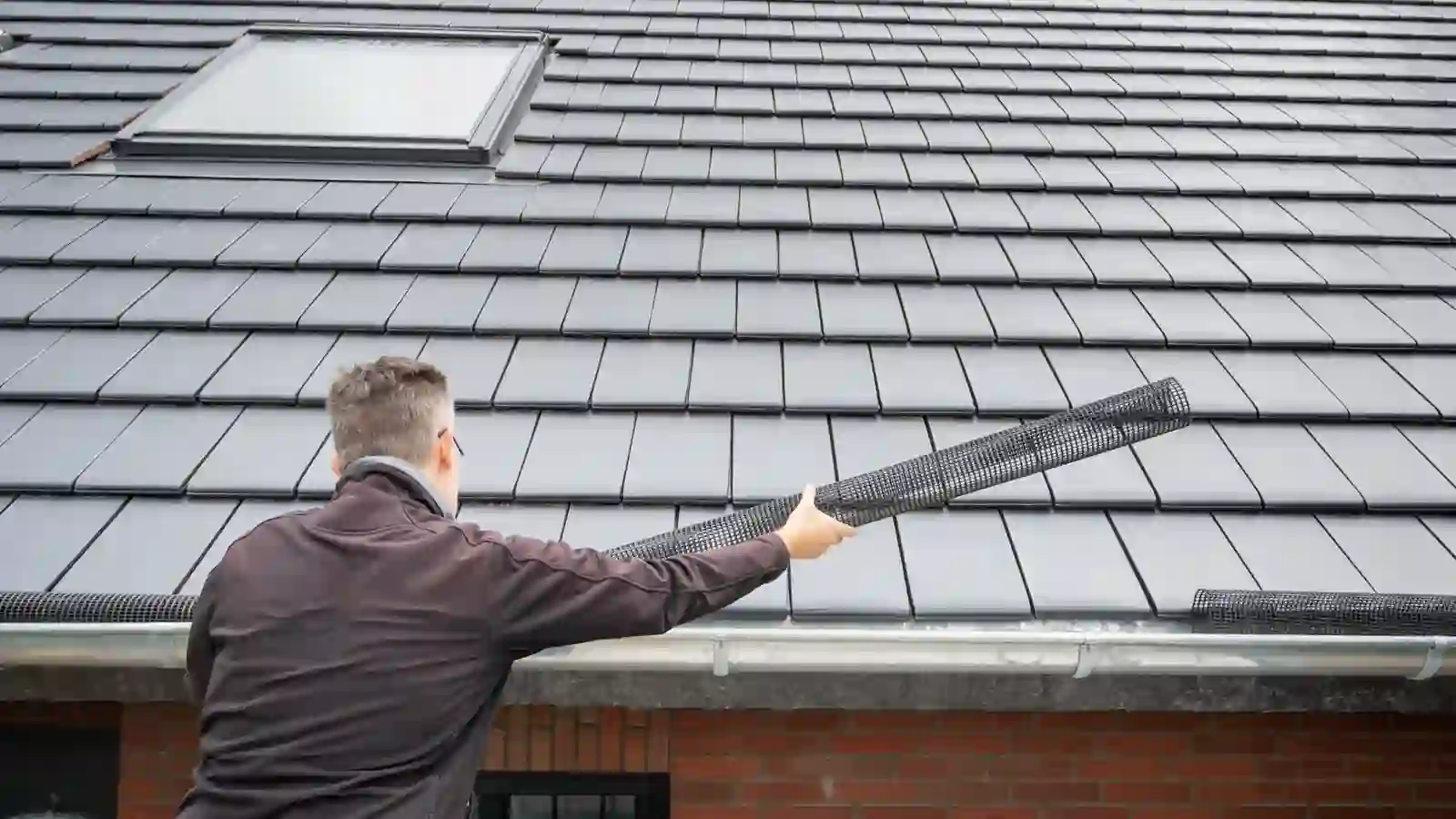
01Types of Roof Drainage Systems
Gutters and downspouts are most common on residential sloped roofs, collecting water as it runs from roof slopes. Gutters sit at roof edges, directing water into downspouts that carry it to ground or storm drains away from foundations. Sectional gutters connect with sealing compound or fasteners; seamless gutters are custom-formed on-site without joints. Aluminum gutters are lightweight and rust-resistant; copper gutters offer longevity and premium appearance; galvanized steel gutters provide durability at moderate cost.
Flat roofs typically use different drainage approaches. Scuppers are openings in roof edges with external downspouts directing water to ground. Internal drains sit flush with roof surface, using interior piping to drain water to storm systems or ground. French drains combine surface and subsurface drainage for complex conditions. Each system requires proper slope and clearance to function effectively. Professional assessment determines optimal drainage type for your property and roof configuration.
02Gutter Cleaning and Maintenance Schedules
Gutters require cleaning at least twice yearly in Albany, late spring and fall. Spring cleaning removes winter debris buildup and ice residue. Fall cleaning prepares gutters for winter by removing leaves and preventing blockages that cause overflow and ice dams. Properties with nearby trees may need cleaning more frequently. Clogged gutters cause water to back up under roof edge, infiltrating attic spaces and causing rot, mold, and interior damage. Regular cleaning prevents these expensive repairs.
Professional gutter cleaning costs $100-300 depending on gutter length and debris volume. Crews use specialized equipment to safely clean gutters, then flush systems to verify proper flow. Many installers recommend gutter guards or screens that minimize debris accumulation between cleanings. However, no guard eliminates need for occasional maintenance and inspection. Annual inspections identify developing problems including loosened hangers, debris buildup, or damage from ice and snow weight.
03Ice Dam Prevention and Management
Ice dams form when snow on roof eaves melts and refreezes, trapping meltwater that backs under shingles and into walls. Inadequate attic insulation allows warm interior air to melt roof snow. Poor attic ventilation prevents roof cooling that would stop melting. Albany's freeze-thaw cycles create ideal conditions for ice dam formation. Prevention strategies include adding insulation, improving ventilation, installing ice and water shield, and maintaining clear gutters. Proper drainage systems also help by quickly evacuating water from roof edges.
Emergency ice dam removal requires professional assistance to prevent roof and gutter damage. Heating cables installed in gutters and downspouts melt ice, creating channels for water drainage. Calcium chloride pellets melt ice slowly when placed in gutters or on roof edges, though salt residues require cleanup. Professional ice dam removal combines multiple techniques for safe, effective results. Once dams are removed, permanent prevention through insulation and ventilation improvements protects against recurrence.
Get a free, no-pressure estimate from a fully insured local crew.
04Spring Snowmelt and Heavy Rain Management
Albany springs bring rapid snowmelt and heavy rains creating heavy water volume on roofs. Drainage systems must accommodate peak flows without backing up or overflowing. Undersized gutters, downspouts, or internal drains become bottlenecks causing water overflow that damages foundations and landscapes. Before spring season, inspect drainage systems for blockages, loose connections, or damage. Verify downspouts extend at least 4-6 feet from foundation to prevent water pooling against walls and basement infiltration.
Some properties benefit from drainage system upgrades before spring. Adding additional downspouts distributes water volume more effectively. Installing larger gutters or internal drains handles greater flow capacity. Grade sloping away from foundations directs runoff away from structures. Installed dry wells or rain gardens manage water absorption on property rather than overloading storm systems. Professional assessment identifies bottlenecks and recommends cost-effective upgrades preventing spring water damage.
05Common Drainage Problems and Solutions
Overflowing gutters result from undersizing, clogging, or inadequate slope. Solutions include cleaning, installing larger gutters, adding downspouts, or improving grade sloping. Standing water on flat roofs causes roof deterioration and eventual leaks. Interior drain cleaning or resloping roofs to improve pitch directs water to drains. Downspout discharge against foundations causes basement leaks and soil settlement. Extending downspouts, installing underground pipes, or French drains routes water away properly. Loose, damaged, or missing gutters require repair or replacement.
Ice dams damage gutters through weight and blockage stress. Permanent prevention through insulation and ventilation improvements protects gutters. Gutter guards reduce debris accumulation between cleanings but don't eliminate maintenance needs entirely. Professional maintenance programs provide regular cleaning and inspection, catching problems before they cause damage. Many property owners find regular maintenance costs far less than emergency repairs or water damage mitigation.
- Gutters and downspouts drain pitched roofs; scuppers and internal drains drain flat roofs
- Clean gutters twice yearly in Albany to prevent clogs and ice dams
- Ice dams form from inadequate insulation and ventilation; prevention is most cost-effective solution
- Spring snowmelt and heavy rains require functional drainage to prevent flooding and water damage
- Professional maintenance prevents problems more cost-effectively than emergency repairs
Mastaba Roofing provides professional gutter cleaning, drainage system maintenance, and ice dam prevention. Fully Insured with 15+ Years experience protecting Albany properties. Call for seasonal maintenance scheduling today.
Mastaba Roofing serves Albany and the Capital Region from 4 local offices. $0 down financing up to 140 months.
06Frequently asked questions
How often should I clean gutters in Albany?
Clean gutters twice yearly, once in late spring and once in fall, or more frequently if trees nearby drop leaves and debris. In Albany, spring cleaning removes winter ice buildup; fall cleaning prepares for winter. Clogged gutters cause water backup under roofing, leading to leaks, ice dams, and foundation damage. Professional gutter cleaning prevents these costly problems.
What causes ice dams on roofs?
Ice dams form when snow on warm roof areas melts, water runs to cold eaves and refreezes. Inadequate attic insulation allows heat to melt snow; poor ventilation prevents roof cooling. Albany's freeze-thaw cycles worsen ice dam formation. Prevention includes proper insulation, ventilation, gutters, and heating cables. Professional remediation removes existing ice dams safely without roof damage.
What's the difference between gutters, scuppers, and internal drains?
Gutters collect water from sloped roofs, directing it to downspouts and away from foundations. Scuppers drain flat roofs, routing water to downspouts or ground. Internal drains sit flush with flat roofs, draining water through interior piping to ground or stormwater systems. Proper drainage system selection depends on roof type and configuration. All require regular maintenance and clearance.

Written by the Mastaba Roofing team. Fully insured roofing and siding contractor with 15+ years and 300+ projects across Albany and the Capital Region. About our team.