
Chimney flashing is critical for preventing water intrusion where brick chimneys penetrate roofing. Understanding flashing function, failure causes, and repair solutions helps you protect your Albany home from costly water damage. Mastaba Roofing specializes in chimney flashing repair and replacement, addressing problems before they cause interior damage near you.
This guide explains what chimney flashing is, identifies failure signs, covers repair and replacement options, discusses material choices, and explores DIY risks versus professional installation. Proper flashing protects chimneys and roofing throughout the year, particularly during heavy rains and spring snowmelt.
Key takeaways
- What Is Chimney Flashing and Why It Matters: Chimney flashing is thin metal (usually aluminum, copper, or stainless steel) installed where chimneys penetrate roofing.
- Common Signs of Flashing Failure: Interior ceiling stains or water damage near chimneys indicate flashing problems.
- Repair Solutions and When to Replace: Minor flashing problems involving degraded sealant can be addressed by removing old caulk and resealing with quality polyurethane or silicone sealant.
- Flashing Materials and Durability: Aluminum flashing is affordable and rust-resistant but less durable than other options, typically lasting 15-25 years.
- DIY Risks and Professional Installation: DIY chimney flashing repair is risky and generally not recommended.
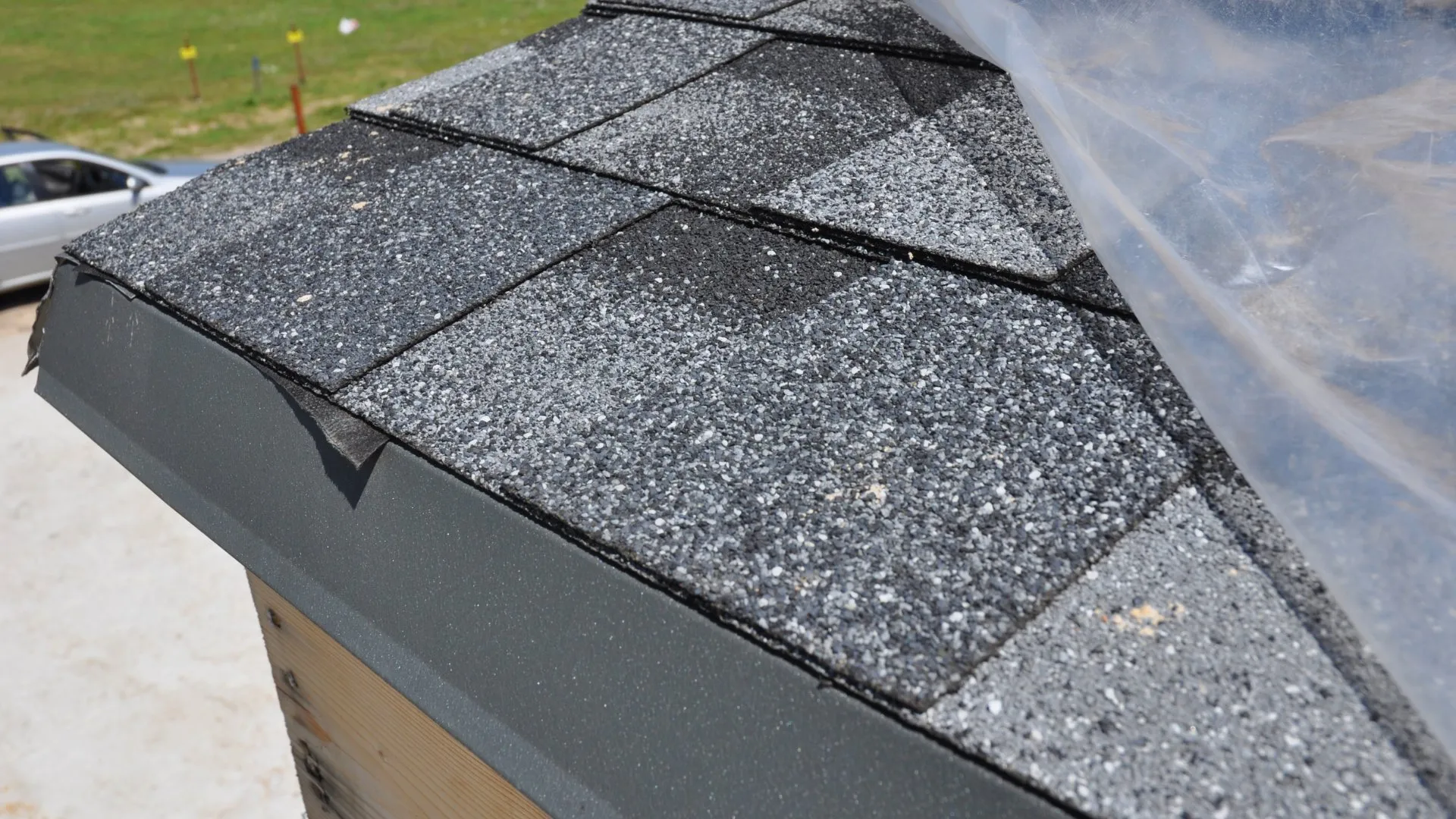
01What Is Chimney Flashing and Why It Matters
Chimney flashing is thin metal (usually aluminum, copper, or stainless steel) installed where chimneys penetrate roofing. Flashing creates a water-tight seal directing water away from gaps between brick and roofing materials. Step flashing runs along sides of chimneys with each piece stepping down the roof slope. Counter-flashing overlaps step flashing, embedded in mortar joints and sealed with caulk. When properly installed and maintained, flashing prevents water from entering attic spaces and walls adjacent to chimneys.
Flashing failure allows water to infiltrate behind chimneys during rain and snowmelt. Water damages interior walls, insulation, electrical components, and structural members. Ceiling stains appear days or weeks after rain as water travels through cavities. Mold growth occurs in damp spaces creating health concerns. Ice dams often form along chimneys where roof snow melts from warm attics. Addressing flashing early prevents expensive interior remediation.
02Common Signs of Flashing Failure
Interior ceiling stains or water damage near chimneys indicate flashing problems. Visual inspection reveals separated, cracked, or corroded flashing. Mortar joints around chimney crowns may show deterioration. Deteriorated or missing sealant around flashing is common in Albany where UV exposure and freeze-thaw cycles degrade caulk. During heavy rains, water may visibly flow around the chimney rather than directing away properly.
Rust streaks on chimney exteriors indicate corroded aluminum flashing or chimney damage. Brick deterioration around flashing suggests water infiltration behind flashing for extended periods. Gaps or separations between flashing and chimney brick create obvious water entry points. Regular inspections catch these problems early when resealing or minor repair is sufficient before replacement becomes necessary. Waiting until visible damage appears often means interior damage has already occurred.
03Repair Solutions and When to Replace
Minor flashing problems involving degraded sealant can be addressed by removing old caulk and resealing with quality polyurethane or silicone sealant. This temporary solution costs $200-300 and may extend flashing life 3-5 years. However, resealing doesn't address underlying structural problems. If flashing is cracked, separated, or heavily corroded, replacement is more cost-effective than repeated repairs. Professional assessment determines whether repair suffices or replacement is needed.
Flashing replacement involves removing shingles, chimney mortar, and old flashing, then installing new materials with proper counter-flashing embedding. Costs range $500-800 depending on chimney size and material choices. Aluminum replacement costs less but may require re-doing sooner than premium materials. Copper flashing costs more ($800-1,200) but lasts 50+ years and often becomes decorative feature. Professional installation includes proper sealing and warranties protecting your investment.
Get a free, no-pressure estimate from a fully insured local crew.
04Flashing Materials and Durability
Aluminum flashing is affordable and rust-resistant but less durable than other options, typically lasting 15-25 years. Galvanized steel flashing is stronger but prone to rusting where cuts expose raw material. Copper flashing is premium option lasting 50+ years, developing attractive patina while resisting corrosion excellently. Stainless steel offers good durability at moderate cost without aesthetic appeal. Lead flashing, used on older homes, is durable but raising environmental and health concerns prompting removal and replacement.
Material selection depends on budget and longevity goals. If you plan to remain in the home 20+ years, copper investment pays for itself through extended durability. For short-term ownership, aluminum or stainless steel balances cost and performance. Consider aesthetic compatibility with your home's exterior. Mastaba Roofing recommends appropriate materials after assessing existing conditions and discussing your long-term plans and budget constraints.
05DIY Risks and Professional Installation
DIY chimney flashing repair is risky and generally not recommended. Working at heights requires safety equipment and experience. Improper sealant application leads to continued leaks and wasted materials. Removing old flashing without damaging underlying roofing or chimney requires skill and experience. Inadequate sealing between new flashing and chimney mortar causes problems appearing months later. Most DIY attempts eventually require professional repair costing more than original professional installation would have cost.
Professional installation ensures proper technique, quality materials, and workmanship warranties. Fully insured roofers have insurance, safety equipment, and experience handling complications. Professionals identify and address underlying problems before they become expensive. Workmanship warranties protect you if problems develop after installation. Mastaba Roofing provides transparent pricing, quality materials, and warranties on all chimney flashing work, protecting your investment and providing peace of mind.
- Chimney flashing prevents water intrusion at roof penetrations; failure causes interior damage
- Interior water stains near chimneys, rust streaks, or separated flashing indicate problems
- Minor repairs cost $200-300; flashing replacement costs $500-800 depending on materials
- Copper flashing lasts 50+ years; aluminum lasts 15-25 years; costs vary accordingly
- Professional installation ensures proper technique and includes workmanship warranties
Mastaba Roofing provides professional chimney flashing repair and replacement. Fully Insured with 15+ Years experience protecting Albany homes. Get a free estimate today.
Mastaba Roofing serves Albany and the Capital Region from 4 local offices. $0 down financing up to 140 months.
06Frequently asked questions
What causes chimney flashing to fail?
Freeze-thaw cycles in Albany expand and contract materials, causing flashing to crack or separate. UV exposure deteriorates sealant and metal. Poor original installation or inadequate flashing allows water intrusion. Chimney settlement or roof shifting creates gaps. Rusting metal flashing weakens integrity. Regular inspection catches problems early before water damage occurs.
Should I repair or replace chimney flashing?
Minor leaks around edges can be repaired by resealing with quality sealant ($200-300). Failed or heavily corroded flashing requires replacement ($500-800) for permanent solution. Professional assessment determines if repair suffices or replacement is necessary. Replacement is more cost-effective than repeated repairs on significantly deteriorated flashing.
What materials are best for chimney flashing?
Aluminum flashing is affordable and rust-resistant but less durable than other options. Copper flashing is premium, lasting 50+ years, developing attractive patina, and resisting corrosion excellently. Lead flashing is durable but raising environmental and health concerns. Stainless steel combines durability and affordability. Professional assessment recommends materials based on budget and longevity goals.
Written by the Mastaba Roofing team. Fully insured roofing and siding contractor with 15+ years and 300+ projects across Albany and the Capital Region. About our team.