
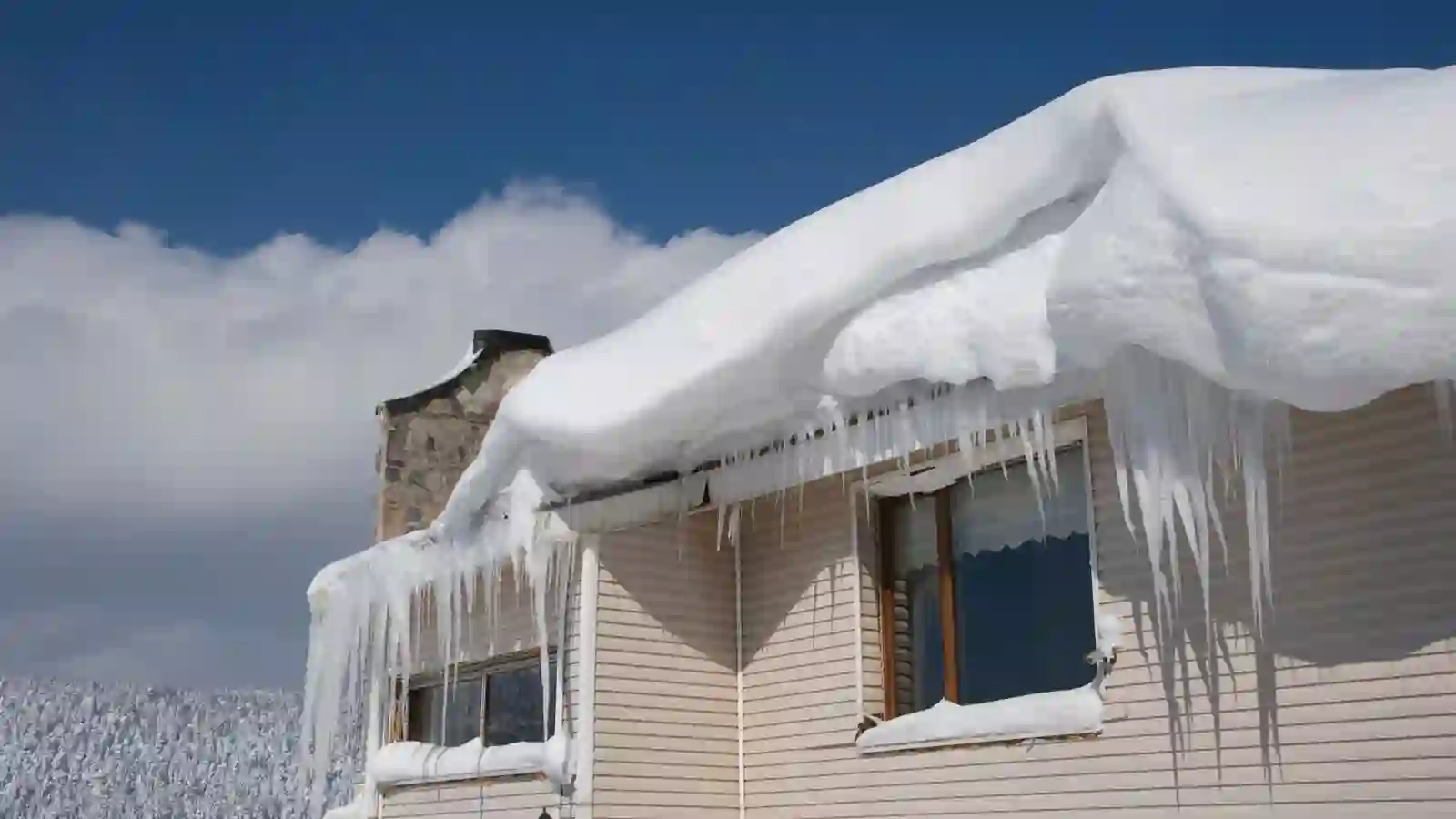
Ice and water shield is invisible protection that saves homes from water damage. This adhesive underlayment acts as backup barrier when ice dams force water under shingles. Albany's harsh winters make ice and water shield essential rather than optional. Understanding what shield does, where to install it, and proper installation ensures maximum protection.
Mastaba Roofing installs ice and water shield on every roof we build. We're fully insured and understand Albany's specific climate challenges. This guide covers shield function, installation locations, code requirements, and benefits near you.
Key takeaways
- Ice and water shield is adhesive underlayment sealing around nails preventing water infiltration
- Essential for Albany winters, provides backup when ice dams force water under shingles
- Install minimum 24-36 inches up eaves, full valleys, around all penetrations
- Full roof coverage increasingly required by code for maximum protection
- Proper installation on clean decking with rolling ensures adhesion and waterproofing
- Shield costs $1,000-$3,000 full coverage but prevents $5,000-$20,000 water damage
- Insurance may refuse ice dam claims if shield not installed, shield is essential
01What Ice and Water Shield Does and Material Properties
Ice and water shield is adhesive-backed synthetic underlayment creating waterproof seal under shingles. The rubber-asphalt adhesive bonds to roof decking and seals around nails creating barrier water cannot penetrate. Unlike traditional felt underlayment that can absorb water, ice and water shield remains impermeable. The adhesive is pressure-sensitive, stickiness increases with temperature allowing proper sealing year-round. Premium shields have higher adhesive content providing superior sealing and durability.
Shield thickness typically ranges 40-100 mils. Thicker shields resist tears and punctures better. The backing prevents adhesive from oozing during installation. Proper application requires clean decking and warm temperatures for best adhesion. Once installed, shield lasts roof lifespan, no maintenance needed. The material resists UV damage, moisture, and extreme temperatures. In Albany winters, flexibility remains even in extreme cold ensuring seal integrity.
02Critical Installation Areas and Coverage Requirements
Eaves require ice and water shield 24-36 inches upslope from fascia line. This protects the area where ice dams form. Valleys collect concentrated water flow, shield entire valley width minimum 12 inches on each side. Install around chimneys, dormers, skylights, and any roof penetrations. Extend minimum 12 inches beyond all penetrations. Roof edges and hips benefit from shield extending 36+ inches upslope. Proper overlaps of minimum 6 inches on seams prevent water seeping between shield sections.
Modern building codes increasingly require full roof coverage for maximum protection. This means shield across entire roof under all shingles. While this increases cost, the protection premium justifies full coverage. Partial coverage protects vulnerab areas but misses many risk zones. Mastaba Roofing exceeds minimum code requirements installing shield wherever water could penetrate protecting your investment.
03Proper Installation Technique and Adhesion
Installation quality directly affects performance. Decking must be clean, dry, and free of dust for proper adhesion. Apply shield in warm weather when possible, adhesive flows better improving seal. Roll surface with linoleum roller after application pressing shield firmly into contact with decking. Seams require 6-inch minimum overlap with upper piece overlapping lower. Nail pattern typically every 12 inches along edges with careful attention near seams. All nails pierce shield requiring sealant to seal nail holes creating waterproof barrier.
Temperature affects adhesion, shield applied in cold conditions may not seal properly. Some contractors apply shield during shingle installation allowing shingle weight to enhance adhesion. This is acceptable if done carefully. Shingles should be attached properly through shield, fastening through shield is better than attaching separately. Allow adhesive to set 24 hours before heavy foot traffic. Proper installation ensures shield lasts entire roof life maintaining protection against water infiltration.
Get a free, no-pressure estimate from a fully insured local crew.
04Building Code Requirements and Ice Dam Protection
New York building code requires ice and water shield in eaves and valleys. Specific requirements depend on roof pitch, snow load zone, and jurisdiction. Albany typically requires minimum 24-inch coverage from eave upslope. Valleys require full width coverage. Steep roofs and high snow load areas may require expanded coverage. Some modern code updates require full roof coverage recognizing Albany's harsh climate reality. Building permits reference code requirements, professional contractors know local requirements.
Ice dam protection combines proper ventilation, adequate insulation, and ice and water shield. Shield alone doesn't prevent ice dams, ventilation keeps roof cold and shield provides backup if dams form. The adhesive seals around nails preventing water penetration even when water sits against shingles. Insurance sometimes requires shield for coverage, check homeowner policies. Mastaba Roofing ensures installations comply with all code requirements and insurance standards protecting your home.
05Cost and Long-Term Value of Ice and Water Shield
Shield costs $0.50-$1.50 per square foot depending on thickness and brand. Eaves only coverage costs $200-$500. Full roof coverage costs $1,000-$3,000 depending on roof size. This seems expensive until considering water damage costs, a single ice dam leak causes $5,000-$20,000 in interior damage. Shield cost is tiny insurance against catastrophic damage. Cost amortized over roof life is negligible but protection value is enormous.
Insurance often refuses to cover ice dam damage if shield wasn't installed, making shield not optional but required for protection. Resale value increases with proper protective installation. Buyers prefer homes with full protection. For Albany's severe climate, ice and water shield is investment that pays dividends through decades of protection. Mastaba Roofing includes shield cost in quotes helping you understand investment value.
Ice and Water Shield Installation
Free roofing assessment and shield installation quote. Mastaba Roofing is fully insured. Full coverage or eaves protection available. Ice dam protection guaranteed. 15+ years serving Albany.
Mastaba Roofing serves Albany and the Capital Region from 4 local offices. $0 down financing up to 140 months.
06Shield Installation FAQ
What is ice and water shield and how does it work?
Ice and water shield is sticky underlayment installed under shingles on vulnerable areas. The adhesive seals around nails creating waterproof barrier even if water gets under shingles. It protects against water backup from ice dams, wind-driven rain, and debris penetration. Self-adhesive application means sealing failure doesn't occur like with nailed underlayment. Ice and water shield is backup protection, not primary defense. It extends damage prevention providing critical protection in Albany winters.
Where should ice and water shield be installed?
Install along eaves typically 24-36 inches upslope, critical for ice dam protection. Install in valleys where water concentrates. Install around chimneys, dormers, and roof penetrations. Install on lower portions of steep roofs where water can blow under shingles. Minimum 6-inch overlap on seams. Some modern codes require full roof coverage, check Albany building codes. Proper installation prevents water infiltration while allowing water behind shingles to drain out eaves.
Is ice and water shield required by code?
Most building codes including Albany's require ice and water shield in valley and eaves. Minimum often specified as 24-36 inches up from eaves. Some jurisdictions now require full roof coverage for maximum protection. Modern code updates reflect climate reality, harsh winters demand superior protection. Professional roofers typically exceed minimum code applying shield to all vulnerable areas. Proper installation following code protects home investment and ensures insurance coverage eligibility.
Written by the Mastaba Roofing team. Fully insured roofing and siding contractor with 15+ years and 300+ projects across Albany and the Capital Region. About our team.