
Soffit ventilation is one of the most critical yet misunderstood components of roofing systems, particularly in Albany's challenging climate. Proper attic ventilation prevents moisture accumulation, reduces ice dam formation, extends roof life, and protects structural components from rot and deterioration. Yet many homeowners and even some contractors underestimate ventilation importance, failing to maintain or upgrade ventilation systems during roof work. Understanding what soffit vents do, recognizing signs of inadequate ventilation, and investing in proper ventilation represents one of the most cost-effective roof protection strategies available. Mastaba Roofing has 15+ Years of experience optimizing ventilation systems for Albany homes.
This comprehensive guide explains soffit ventilation systems, discusses different vent types, explores how ventilation prevents ice dams and protects structural integrity, and addresses common misconceptions about attic airflow. Whether your home has existing ventilation issues or you're planning roof work that affects ventilation, understanding these principles will help you make decisions protecting your long-term investment near you in Albany.
Key takeaways
- What Are Soffit Vents and Why Are They Important?: Soffit vents are intake openings in the underside of roof overhangs (the soffit) that allow fresh outside air to enter the attic space.
- Types of Soffit Vents and Installation Methods: Two primary soffit vent types are used in residential construction.
- Soffit Ventilation and Ice Dam Prevention: Ice dams, ridges of ice forming at roof eaves during thaw cycles, represent one of Albany's most damaging roofing problems.
- Signs of Poor Attic Ventilation and Moisture Problems: Several warning signs indicate inadequate soffit ventilation or ventilation system problems.
- Calculating Ventilation Requirements for Your Home: Building codes typically require one square foot of net free ventilation area per 150 square feet of attic floor space.
- Maintenance and Common Ventilation Problems: Soffit vent maintenance is straightforward but critical.
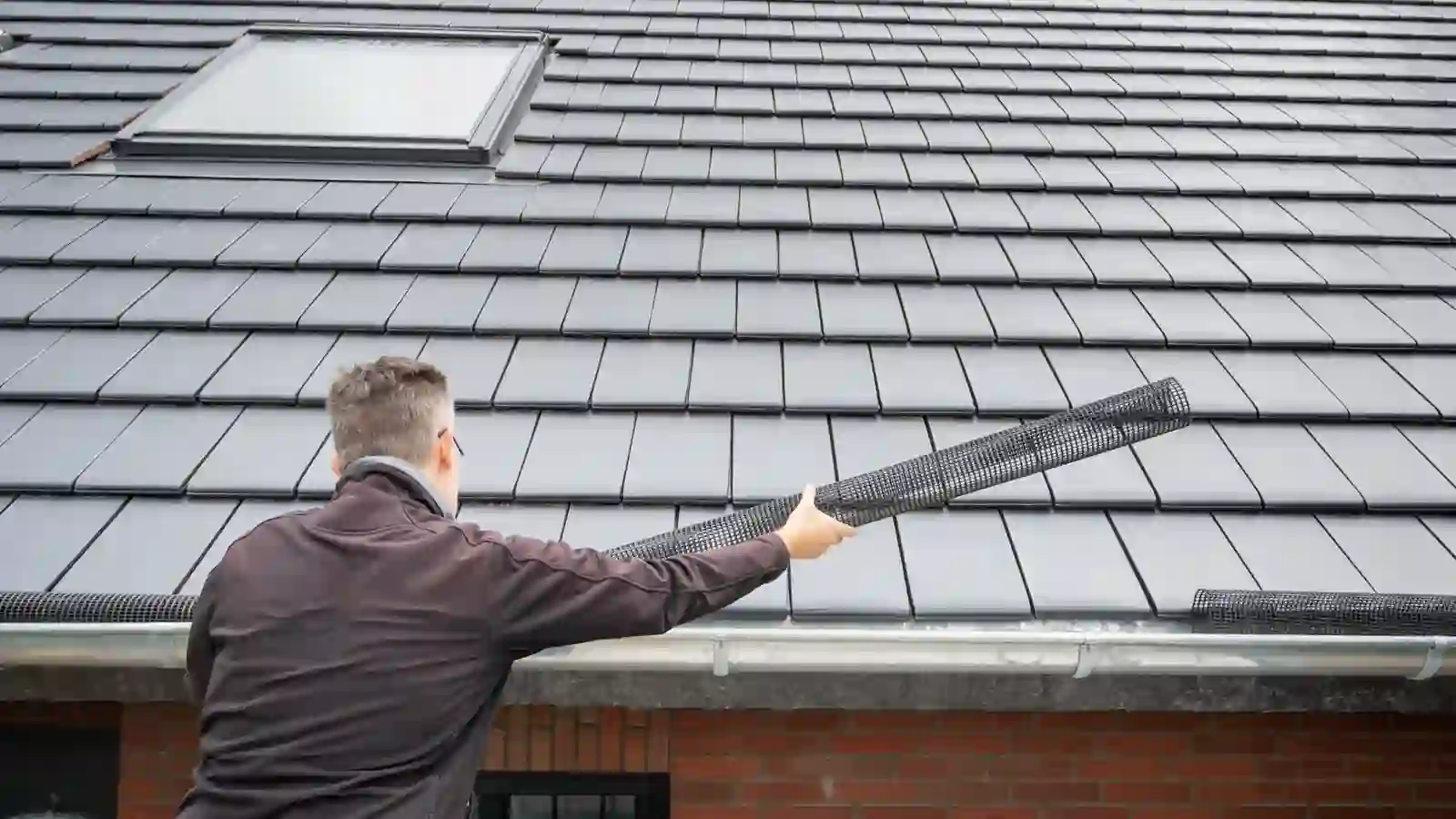
01What Are Soffit Vents and Why Are They Important?
Soffit vents are intake openings in the underside of roof overhangs (the soffit) that allow fresh outside air to enter the attic space. Combined with exhaust vents at the roof ridge or high walls, soffit vents establish air circulation that removes moisture and moderates attic temperatures. This continuous airflow prevents moisture accumulation that causes wood rot, mold growth, and insulation degradation. In Albany's humid climate with significant seasonal temperature fluctuations, proper ventilation is essential for long-term structural protection.
The principle is straightforward: cool outside air enters through soffit vents, rises through the attic due to buoyancy, and exits through ridge or gable vents. This continuous circulation removes warm, moist air that would otherwise condense on cold surfaces during winter, creating water that drips down onto structural members and insulation. Homes without adequate soffit ventilation accumulate moisture year-round, creating problems that spread to rot-related structural damage and energy efficiency losses. Proper soffit ventilation is therefore foundational to roof system health and home protection in Albany.
02Types of Soffit Vents and Installation Methods
Two primary soffit vent types are used in residential construction. Continuous vents run the full length of the soffit, providing consistent intake area along entire roof overhangs. These are efficient and provide substantial ventilation area with minimal visual impact. Individual soffit vents are discrete openings installed periodically along the soffit, typically spaced every few feet. Individual vents provide ventilation where space is limited or architectural constraints prevent continuous vents. Both types perform equally well when properly sized and installed.
Installation quality critically affects ventilation performance. Vents must be unobstructed, many homes have vents partially blocked by insulation or debris accumulation inside the soffit. Vent sizing must match building code requirements based on attic space. Under-sized or inadequate ventilation cannot achieve proper airflow regardless of vent type. During roof replacement, Mastaba Roofing ensures soffit vents are properly installed, free from obstructions, and correctly sized for your attic. We also verify ridge vents and other exhaust vents are functioning to complete the ventilation system.
03Soffit Ventilation and Ice Dam Prevention
Ice dams, ridges of ice forming at roof eaves during thaw cycles, represent one of Albany's most damaging roofing problems. Warm attics melt snow on the upper roof, and meltwater flows down toward eaves where temperatures are below freezing. Water refreezes at eaves, forming ice dams that trap meltwater behind them. Backed-up water leaks under shingles into walls, causing interior damage. Proper soffit and ridge ventilation keeps attics cold even in winter, preventing or minimizing melting that feeds ice dam formation. In extreme Albany winters with frequent freeze-thaw cycles, adequate ventilation provides the most effective ice dam prevention strategy.
Additionally, adequate ventilation allows any meltwater that does enter the attic to dry quickly, reducing structural damage. Inadequately ventilated attics trap moisture, allowing extensive water damage from ice dam leaks. Many expensive ice dam repairs could be prevented through proper ventilation maintenance. Mastaba Roofing ensures ventilation systems are properly installed and maintained as part of comprehensive ice dam prevention strategies for Albany properties.
- Soffit vents provide intake air for attic ventilation systems
- Proper ventilation prevents moisture accumulation, ice dams, and structural damage
- Continuous and individual vents both work well when properly sized and installed
Get a free, no-pressure estimate from a fully insured local crew.
04Signs of Poor Attic Ventilation and Moisture Problems
Several warning signs indicate inadequate soffit ventilation or ventilation system problems. Interior warning signs include moisture staining or rust on attic metal components, visible mold or mildew growth on wood, musty odors indicating stale air and moisture, and premature shingle deterioration suggesting moisture infiltration. During summer, excessive heat buildup in poorly ventilated attics causes high temperatures (120°F+), increasing cooling costs. During winter, frost or condensation on attic framing indicates moisture accumulation from inadequate ventilation.
Exterior warning signs include algae or moss growth suggesting trapped moisture, accelerated shingle deterioration, ice dam formation (indicating warm attic), and visible soffit damage. Blocked or inadequate soffit vents are common problems, with insulation, debris, or paint buildup obstructing vents. Professional inspection by Mastaba Roofing identifies ventilation deficiencies before they cause structural damage. Early identification allows low-cost fixes like cleaning vents or installing additional ventilation capacity, preventing expensive rot repairs later.
05Calculating Ventilation Requirements for Your Home
Building codes typically require one square foot of net free ventilation area per 150 square feet of attic floor space. "Net free" area accounts for vent screening and frame reduction, actual vent openings must be larger than calculated net area. Balanced ventilation (50% intake through soffits, 50% exhaust through ridge/gable vents) optimizes airflow. Your specific ventilation requirements depend on attic size, existing vents, insulation type, roof configuration, and climate factors. A 1,500 square foot home with 1,200 square feet of attic space requires approximately 8 square feet of net free ventilation area.
Professional assessment by Mastaba Roofing determines your specific ventilation needs and identifies any deficiencies. If your home has inadequate ventilation, upgrading soffit vents, ridge vents, or adding gable vents can correct problems. These upgrades provide long-term protection against moisture damage and extend your roof's lifespan significantly. Investment in proper ventilation is among the most cost-effective roof protection strategies available for Albany homeowners.
06Maintenance and Common Ventilation Problems
Soffit vent maintenance is straightforward but critical. Periodically inspect vents from outside to ensure they're free from debris, pest blockage, or paint buildup. Inside the attic, check that insulation hasn't migrated into soffit vents, restricting airflow. Pest screening should remain intact, damaged screens allow animals to enter the attic. If vents become blocked, cleaning or replacing screens restores ventilation. During roof replacement or other attic work, contractors must protect soffit vents from inadvertent blockage by construction materials.
Common ventilation problems include inadequate vent quantity (insufficient vents installed originally), blocked or restricted vents (dust, insulation, or pest nests blocking airflow), mismatched intake/exhaust (sufficient intake but inadequate ridge vents, or vice versa), and improper vent location (vents installed where they don't function effectively). Mastaba Roofing evaluates ventilation systems during roof inspections, identifies problems, and recommends cost-effective solutions. Regular maintenance prevents most ventilation issues and ensures your attic remains healthy and protected.
Is your attic properly ventilated? Get a professional assessment.
Mastaba Roofing serves Albany and the Capital Region from 4 local offices. $0 down financing up to 140 months.
07Frequently asked questions
How much soffit ventilation does my Albany home need?
Building codes typically require 1 square foot of net free ventilation per 150 square feet of attic space. Balanced ventilation (50% intake, 50% exhaust) optimizes airflow. Your attic space, insulation levels, and climate all affect requirements. Professional assessment by Mastaba Roofing determines optimal ventilation for your specific home.
What signs indicate poor soffit ventilation?
Indicators include moisture stains on attic framing, mold growth, musty odors, ice dam formation in winter, shingle curling, and accelerated rot in wood members. High summer attic temperatures and visible moisture condensation on cold surfaces signal ventilation problems. Professional inspection identifies ventilation deficiencies before damage occurs.
Should I block soffit vents for energy efficiency?
Blocking soffit vents to reduce heating/cooling loss is counterproductive. Inadequate ventilation causes moisture damage, mold, and structural deterioration far exceeding energy losses. Proper ventilation with adequate insulation provides both energy efficiency and protection. Ridge vents and soffit vents together create efficient airflow preventing ice dams and damage.

Written by the Mastaba Roofing team. Fully insured roofing and siding contractor with 15+ years and 300+ projects across Albany and the Capital Region. About our team.