
Your roof's shape affects water drainage, snow shedding, wind resistance, attic space, and replacement costs. Most homeowners don't think about roof type until replacement becomes necessary, but understanding your roof's design helps you make informed decisions. In Albany's climate with heavy snow, ice, and wind, some roof types perform better than others.
This guide explains the most common residential roof types, their characteristics, advantages, disadvantages, and suitability for different climates and situations. Mastaba Roofing has 15+ years experience with every roof type found in the Albany area, and we understand how each design performs in our environment.
Key takeaways
- Gable roofs are most common, economical, and ideal for snow climates
- Hip roofs provide superior wind resistance at 10-15% extra cost
- Gambrel roofs maximize attic space but handle snow less effectively
- Mansard and flat roofs are expensive and challenging in cold climates
- Albany's winter weather favors steeply-pitched gable or hip roofs
- Roof pitch (steepness) affects snow shedding more than roof type
- Replacement costs vary significantly by type, gable is least expensive
- Your existing roof type usually suits your home and climate
- Architectural character influences what roof type looks appropriate
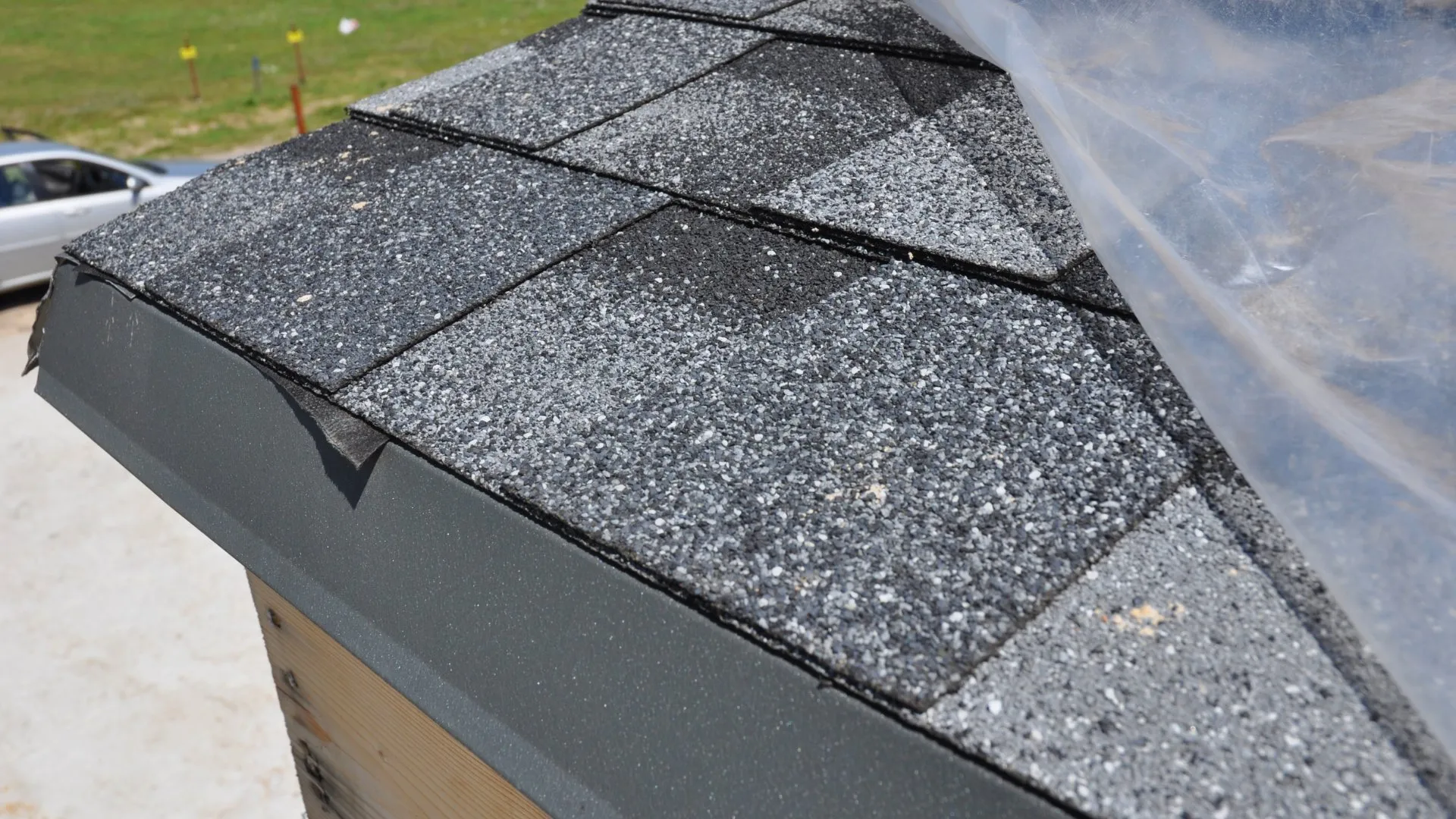
01Gable Roofs, The Most Common Design
Gable roofs are triangular, with two sloped sides meeting at a ridge. This classic design is most common in residential construction because it's simple, economical, and effective. Water and snow shed quickly down either side, making them excellent for snowy climates like Albany. The peaked shape provides maximum attic space for ventilation and insulation. Installation is straightforward, keeping labor costs down compared to complex roof types.
Drawbacks include less wind resistance than hip roofs, the peaked ends catch wind, and potential gutter issues if not properly maintained. Gable roofs are ideal for most Albany homes. Cost is the lowest among traditional designs, typically running $3-$5 per square foot for basic asphalt shingles.
02Hip Roofs, Superior Wind Resistance
Hip roofs have four sloped sides that meet at a ridge. This design is more complex to frame but provides superior aerodynamics and wind resistance. Hip roofs perform better in high-wind areas and are preferred in regions prone to hurricanes. They're attractive and offer consistent roof coverage from all sides. The lower profile sheds snow and water effectively.
Hip roofs cost 10-15% more than gable roofs due to additional framing complexity and labor. Attic space is slightly reduced compared to gable roofs. They're excellent for Albany's winter weather and provide balanced protection. Many premium homes feature hip roofs for both performance and aesthetic appeal.
03Gambrel Roofs, Farmhouse Classic
Gambrel roofs resemble barn roofs, two different slopes on each side, with the lower slope steeper than the upper. This design maximizes attic space while reducing overall building height. It's distinctive and charming, particularly on farmhouse and colonial-style homes common in Albany's historic areas. The extra space is ideal for finished attics or storage.
Drawbacks include higher cost due to complexity and reduced snow shedding due to lower upper pitch. Heavy snow can accumulate on the lower slope before shedding, requiring extra attention in Albany. Gambrel roofs are popular on historic homes but less common on modern construction due to cost and climate considerations.
Get a free, no-pressure estimate from a fully insured local crew.
04Mansard and Flat Roofs, Special Considerations
Mansard roofs are complex with multiple slopes on all four sides, creating distinctive European styling. They maximize usable space but are expensive to build and maintain. Flat roofs have minimal pitch and are more common on commercial buildings. Both designs have challenges in cold, snowy climates. Water drainage is critical because snow and ice accumulate easily.
For Albany homes, flat and mansard roofs require premium materials, careful maintenance, and excellent drainage to prevent leaks. Replacement costs are significantly higher than gable or hip roofs. These designs are more suitable for architectural styles where aesthetic considerations outweigh practical concerns.
05Choosing the Right Roof Type for Your Situation
Your choice depends on climate, architecture, budget, and personal preference. For Albany's harsh winters, gable and hip roofs are most practical. Gable roofs offer economy and excellent performance. Hip roofs provide superior wind resistance at modest extra cost. Both shed snow effectively when pitched steeply. Gambrel, mansard, and flat roofs are viable for specific architectural styles but require extra attention in our climate.
When planning a replacement, consider your home's architectural character, local building codes, insurance implications, and replacement costs. Your existing roof type likely suits your home and climate. Mastaba Roofing helps evaluate options and explain implications of any changes you're considering.
Roof Replacement Planning
Get guidance on roof types and replacement options from Mastaba Roofing. Fully insured. 15+ years with Albany homes.
Mastaba Roofing serves Albany and the Capital Region from 4 local offices. $0 down financing up to 140 months.
06Roof Types FAQ
What is the most common roof type?
Gable roofs are the most common in residential construction because they're affordable, easy to construct, and provide excellent water drainage and attic ventilation. They suit most climates including Albany's harsh winters. Hip roofs are the second most common, preferred in high-wind areas because of superior aerodynamics.
Which roof type is best for snow and ice?
Hip roofs handle heavy snow and wind better because of their low profile and aerodynamic design. Gable roofs work well if pitched steeply to shed snow. Gambrel and mansard roofs are less ideal for heavy snow because of lower pitch. Albany's climate favors gable or hip roofs with steep pitches.
What is the most expensive roof type?
Mansard roofs are most expensive due to complex framing and high labor costs. Gambrel roofs are also pricier. Gable roofs are most economical. Hip roofs cost 10-15% more than gable due to additional framing. Architectural complexity drives cost regardless of roof type.
Written by the Mastaba Roofing team. Fully insured roofing and siding contractor with 15+ years and 300+ projects across Albany and the Capital Region. About our team.