
Gambrel roofs, often called barn roofs, feature two distinct angles per side, creating a distinctive silhouette popular in American agricultural and residential architecture. The steeper lower slope sheds water and snow effectively, while the shallow upper slope provides additional interior space. This design offers unique advantages for maximizing attic storage and traditional aesthetic appeal, but presents specific challenges in Albany's demanding climate. This comprehensive guide explores gambrel roof design, advantages, disadvantages, and practical considerations for Albany properties.
Mastaba Roofing has spent 15+ Years installing and repairing gambrel roof systems throughout Albany and surrounding regions. Our fully insured team understands how this distinctive design performs through our region's harsh winters, heavy snow accumulation, and freeze-thaw cycles. Whether you're considering gambrel roof installation for new construction or repair of an existing system, this guide provides essential information for property owners evaluating this architectural choice near you.
Key takeaways
- Gambrel roofs increase usable space 20-30% compared to gable designs
- Installation costs 10-25% more than gable roofs due to framing complexity
- Slope break is a structural vulnerability requiring professional engineering
- Steep lower slopes shed snow/water effectively, reducing ice dam risk
- Shallow upper slope can accumulate snow and stress the transition area
- Annual professional inspection of slope break is essential for reliability
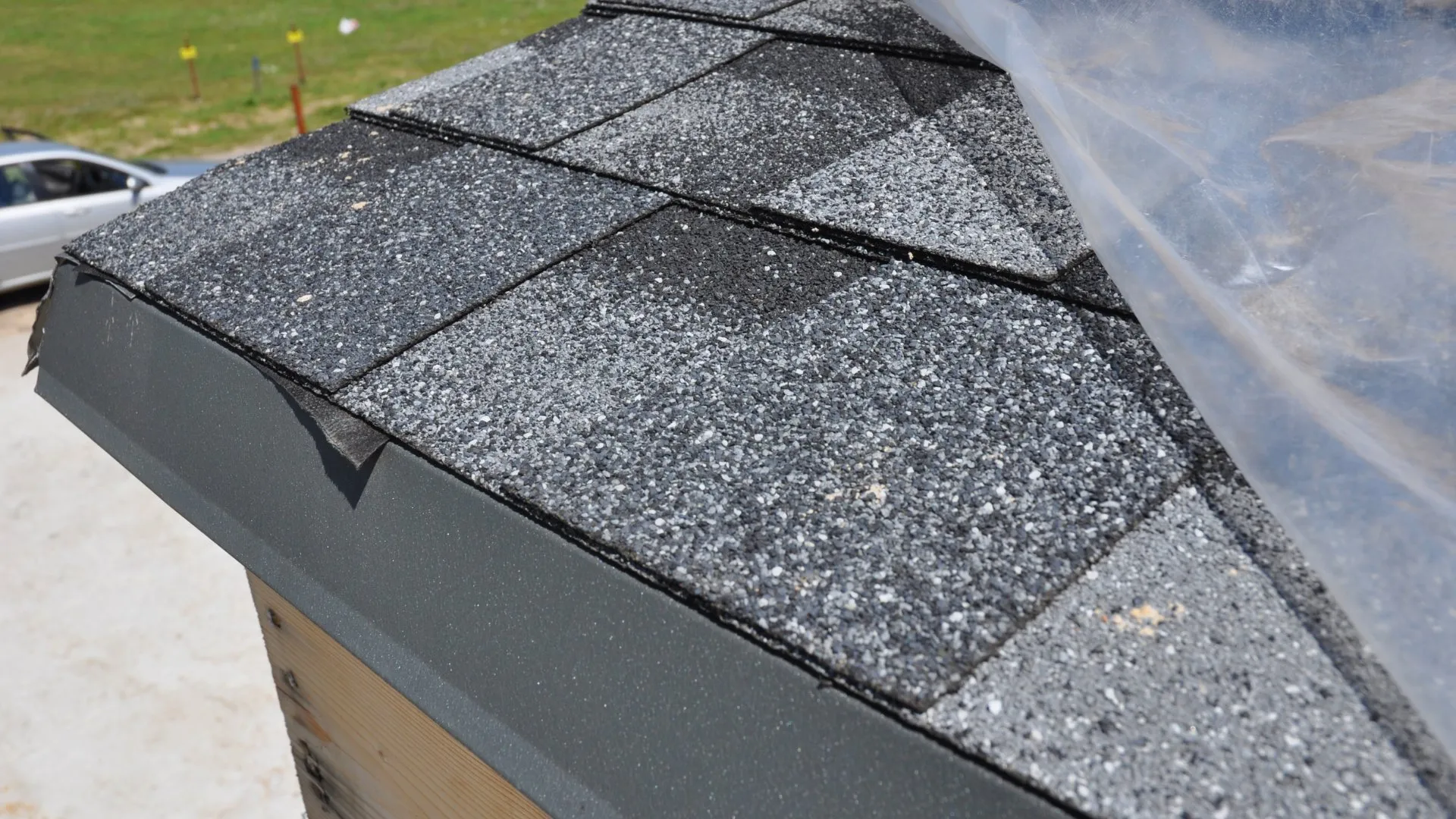
01What Is a Gambrel Roof and Design Characteristics?
A gambrel roof features two slopes on each side of the building, a steep lower slope (typically 50-70 degrees) and a shallower upper slope (typically 20-35 degrees). This distinctive profile creates a barn-like appearance while maximizing usable space within the roof structure. Traditional gambrel roofs accommodate full second stories, hay lofts, or expansive attic spaces that would be unusable under simple gable roof designs. The lower steep slopes shed water and snow aggressively, while the upper shallow slopes create the characteristic gambrel profile.
The transition between the two slopes, called the slope break, creates a structural vulnerability and potential leak point. This design concentrates wind and snow load stress at the break line, requiring careful engineering and installation. Framing complexity increases significantly compared to simple gable designs, demanding experienced contractors. The two-angle design also affects interior ceiling heights and room configurations compared to traditional designs. Understanding these characteristics helps property owners appreciate both the aesthetic appeal and practical implications of gambrel roofing near you.
02Advantages of Gambrel Roof Design
The primary advantage is maximized interior space. Gambrel roofing increases usable attic or second-story square footage by 20-30% compared to gable designs of similar footprint. This extra space can accommodate bedrooms, offices, storage areas, or workshops. For properties seeking to expand living area without enlarging the building footprint, gambrel design provides exceptional value. The increased space often justifies the 10-25% cost premium compared to simple gable roofs, as it translates to tangible property improvements.
Aesthetic appeal is another significant advantage. Gambrel roofs evoke traditional American farmhouse charm and architectural character. They distinguish properties visually and can enhance curb appeal and resale value. Historic properties often use gambrel designs to maintain architectural authenticity. The steep lower slopes shed water and snow effectively, reducing ice dam risk compared to low-pitched designs. For Albany properties, this water-shedding capability is genuinely valuable. Properties prioritizing traditional style and maximum space often find gambrel design compelling.
03Disadvantages and Weather Vulnerability
The slope break creates structural weakness. Wind forces concentrate stress at the transition line, increasing failure risk during high-wind events. The two-angle design is more vulnerable to wind damage than simpler gable roofs. Albany's occasional high winds (30-50+ mph) can stress gambrel roofing if not properly engineered and installed. The shallow upper slope, while creating interior space, reduces weather performance. Snow and water can pool at the slope break if drainage design is inadequate, causing leaks or water damage.
Installation and repair are more complex and expensive than simpler designs. Finding experienced contractors familiar with gambrel framing can be challenging. Mistakes in slope break installation or flashing lead to premature failure. Maintenance demands are higher, the slope break requires professional inspection at least annually to ensure proper drainage and structural integrity. For Albany properties, the shallow upper slope can accumulate dangerous snow loads, requiring professional clearing during heavy snow events. The design's complexity means that errors cascade into major problems more rapidly than simpler roof designs.
Get a free, no-pressure estimate from a fully insured local crew.
04Gambrel Roof Performance in Albany's Weather
Albany's climate presents specific challenges for gambrel roofing. Heavy annual snowfall (50+ inches) creates loads that concentrate at the slope break. If the transition between steep and shallow slopes isn't engineered properly, snow loads can exceed structural capacity, causing failure or sagging. Freeze-thaw cycles create expansion and contraction stress at the vulnerable slope break, accelerating deterioration of flashing and fasteners. Wind during winter storms creates additional stress on the shallow upper slope.
The steep lower slopes shed snow and water effectively, reducing ice dam risk compared to low-pitched designs. However, the shallow upper slope can still accumulate ice, particularly if the slope break drainage isn't maintained. Professional snow removal becomes essential during heavy snow events, accumulation on the upper slope must be cleared to prevent excessive loading. Proper ventilation and insulation are critical to prevent ice dam formation at the eaves. For gambrel roofs to function reliably in Albany, engineering must account for maximum expected snow loads, freeze-thaw stress, and wind forces.
05Installation and Professional Requirements
Gambrel roof installation demands structural engineering expertise beyond simple gable framing. The slope break must be precisely engineered to handle concentrated snow and wind loads. Framing members must be adequately sized, undersizing is a critical failure point. The transition between roof pitches requires specialized knowledge to ensure proper alignment and water shedding. Flashing at the slope break must be meticulous to prevent water intrusion at this stress point. Professional installation by fully insured contractors experienced with gambrel design is essential, DIY or inexperienced contractor work leads to premature failure.
Material choices affect performance, asphalt shingles, metal roofing, or wood shakes all work over proper framing, but each presents distinct installation challenges. Standing seam metal roofing performs particularly well on gambrel designs, shedding water aggressively and accommodating the slope transition with fewer leak points. Fully insured professionals from Mastaba Roofing have 15+ Years experience with gambrel roof installation and understand that success depends on engineering precision, structural integrity, and expert flashing detail. Invest in professional expertise, gambling on inexperienced contractors creates expensive problems.
06Maintenance and Long-Term Durability
Gambrel roof maintenance focuses on the vulnerable slope break. Professional inspections should occur at least annually, preferably twice yearly (spring and fall), focusing on the transition line where upper and lower slopes meet. Flashing integrity is critical; separation or corrosion at the slope break leads to water intrusion and structural damage. Debris accumulation in valleys and at the slope break must be cleared promptly. After heavy snow events, assessment of structural stress is important to ensure no damage or sagging occurred.
Lifespan varies by material, asphalt shingles typically last 15-20 years, metal roofing 40-70 years, and premium materials 50-100+ years. However, gambrel roof lifespan depends heavily on slope break maintenance. Neglected gambrel roofs fail rapidly at the transition point, water damage accelerates, flashing separates, and structural failure can occur within years of initial damage. For Albany properties with gambrel roofing, professional maintenance partnerships become essential for longevity. Regular attention to the slope break extends roof life substantially and prevents catastrophic failures.
Expert Gambrel Roof Installation and Repair
Mastaba Roofing's 15+ Years includes expertise with gambrel roof design, installation, repair, and maintenance. Our fully insured team ensures your gambrel roof performs reliably through Albany's demanding weather.
Mastaba Roofing serves Albany and the Capital Region from 4 local offices. $0 down financing up to 140 months.
07Frequently asked questions
Are gambrel roofs safe in Albany's high winds?
Gambrel roofs are more vulnerable to wind damage than gable designs due to the low-slope upper section acting as a sail. The two-angle design concentrates wind stress at the transition between steep and shallow slopes. For Albany properties in wind-prone areas, reinforced framing and proper installation are essential. Professional engineers should assess structural adequacy.
How do gambrel roofs handle heavy snow loads?
Gambrel roofs have moderate snow-shedding ability. The steep lower slopes shed snow effectively, but the shallow upper slope can accumulate significant snow. Combined snow load can exceed design capacity in severe winters. Regular roof clearing during heavy snow events is necessary. Professional installation with adequate structural support is critical for Albany properties.
What's the cost difference for gambrel vs traditional gable roofs?
Gambrel roof installation costs 10-25% more than gable roofs due to increased framing complexity. Materials, labor, and structural engineering add expenses. However, gambrel design provides 20-30% more attic space, increasing property functionality. For properties prioritizing space, gambrel cost premium is often justified by added square footage.
Written by the Mastaba Roofing team. Fully insured roofing and siding contractor with 15+ years and 300+ projects across Albany and the Capital Region. About our team.